
Real estate, also known as immovable property, refers to land and the buildings or structures permanently attached to it. This includes not only houses, apartments, and buildings, but also other forms of fixed property such as factories, warehouses, shopping centers, and vacant land. Unlike other assets, real estate is immobile, meaning it is closely tied to a specific geographic location, which adds a critical component of value related to the property's environment and accessibility.
The term "real estate" comes from the Latin res, meaning "things," and real, referring to that which is permanently linked to the land.
Types of Real Estate
The real estate sector can be divided into four main categories, each with its own characteristics and dynamics:
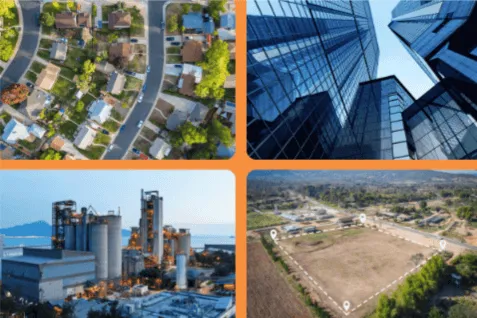
- Residential Real Estate: Properties intended for residential use. This type includes single-family homes, condominiums, apartments, townhouses, and other residences. Demand for residential real estate is directly related to demographic factors, population growth, and economic conditions such as interest rates and income levels.
- Commercial Real Estate: Properties used for commercial purposes, such as offices, retail spaces, shopping centers, and hotels. These properties generate income through rentals or leases. Key locations in high-traffic areas or commercial developments are highly valued in this category.
- Industrial Real Estate: Properties used for the production, distribution, and storage of goods, such as factories, warehouses, and industrial plants. These are often located away from urban centers, where access to major roads or ports is key for logistics.
- Land: Undeveloped or minimally developed parcels. They may have agricultural, urban development, or preservation purposes. Land is valuable for its potential for future construction, agriculture, or long-term investment, as its price can increase over time due to area development or changes in urban regulations.
Factors Affecting the Real Estate Market
The real estate market is dynamic and influenced by many interconnected factors. These determine supply and demand, property values, and accessibility for buyers and investors. The most important factors fall into four groups.
Economic Factors
- Interest Rates: Rates have a direct impact on financing accessibility. When rates are low, it is cheaper to borrow money to buy properties, which drives demand. High rates tend to slow purchases, especially in the residential market.
- Economic Growth: A growing economy usually brings higher incomes and employment, which increases purchasing power for real estate. Recessions affect the sector negatively, as buyers face greater uncertainty and lower disposable incomes.
- Inflation: Inflation can increase property prices, especially when construction costs rise. Real estate is often considered a hedge against inflation, as physical assets tend to retain or increase their value in inflationary times.
Demographic Factors
- Population Growth: A rising population generates greater demand for housing, especially in urban areas where migration tends to be higher. In markets with constant demographic growth, the need for housing drives development.
- Changes in Family Structure: The trend toward smaller households (due to lower birth rates or more single-person homes) increases demand for smaller properties, such as apartments and compact single-family homes.
- Aging Population: In some countries the population is aging rapidly, creating greater demand for housing adapted for older people and associated services such as assisted-living facilities.
Government Policy and Regulations
- Tax Incentives: Many governments offer incentives such as mortgage deductions or property tax exemptions, which can stimulate purchases. Policies that ease access to financing can activate the market.
- Land Use Regulations: Zoning laws, urban planning, and land use rules can limit or expand development. In areas with strict regulations, housing supply may be limited, which raises prices.
- Affordable Housing Policies: Some governments develop initiatives to increase the supply of affordable housing, which impacts both supply and demand across the market.
Technology and Digitalization
Online platforms, artificial intelligence, and automation have changed how buyers search for properties and how agencies manage their operations. These tools make buying and selling more efficient and improve market access. If you run an agency, see how a digital real estate agency puts these tools to work.
Current Trends in Real Estate
The market is experiencing global trends that are redefining how people buy, invest in, and use properties. Some of the most prominent include:
- Increased Urbanization: Cities remain the center of economic development and population concentration, driving demand for housing, offices, and commercial spaces. Mega-cities in particular are seeing rapid growth in skyscrapers, residential developments, and shopping centers.
- Sustainability and Green Building: Sustainability has become a key priority. Buyers and developers are increasingly interested in buildings that meet energy efficiency standards, use sustainable materials, and minimize environmental impact. Certifications such as LEED (Leadership in Energy and Environmental Design) are becoming more common and add value to properties.
- Mixed-Use Properties: Mixed-use developments are gaining popularity, combining residences, offices, retail, and entertainment in one place. They offer a more integrated living experience for people who value convenience and accessibility.
Emerging vs. Consolidated Markets
Real estate markets can be classified as emerging or consolidated, each with unique characteristics and investment opportunities.
Emerging markets are developing countries or regions with accelerated economic growth, expanding infrastructure, and growing demand for housing and commercial space. They typically offer lower entry prices and significant growth potential, but also present higher risks due to economic or political instability. Countries like India, Brazil, and Vietnam are examples of rapid growth driven by urbanization and middle-class expansion.
Consolidated markets are mature markets in developed economies with well-established infrastructure and greater economic stability. They offer more security to investors, but growth opportunities tend to be more limited and prices significantly higher. Demand is often driven by scarcity of available land and strict planning regulations. Cities like New York, London, Paris, and Tokyo remain attractive despite high costs.
How to Buy and Sell Real Estate
Buying or selling property is both a significant investment and an important personal decision, so understanding each step is key to a successful transaction.
Steps to Buy a Property
- Define your budget and get pre-approved for a loan.
- Search for the right property.
- Make an offer.
- Order a property inspection.
- Hire a lawyer and review the contracts.
- Close the purchase.
- Register the property.
Steps to Sell a Property
- Get a property valuation.
- Prepare the property for sale.
- List the property on the market.
- Show the property and negotiate offers.
- Review the sales contract.
- Close the sale.
Strong marketing makes a real difference at the listing stage. A clear real estate marketing plan, polished photos, and immersive real estate virtual tours help a property stand out and sell faster.
Common Mistakes When Buying or Selling
When buying, the most common mistakes are not setting a realistic budget, skipping the property inspection, failing to think long term, and getting carried away by emotions. When selling, the frequent pitfalls are setting an incorrect price, not preparing the property adequately, lacking flexibility in negotiations, and ignoring selling costs.
Real Estate Investment
Why Invest in Real Estate?
Real estate investment offers several benefits that make it attractive to both experienced investors and beginners:
- Generation of passive income
- Value appreciation over time
- Portfolio diversification
- A hedge against inflation
- Direct control over the investment
Types of Real Estate Investments
Real estate investment can take many forms, each with different characteristics, risks, and benefits:
- Rental properties (buy and hold)
- House flipping
- Real Estate Investment Trusts (REITs)
- Land investments
- Real estate crowdfunding
Whatever the strategy, every investor still has to be aware of the inherent risks, including market downturns, interest-rate changes, vacancy periods, and unexpected maintenance costs. Balancing those risks against the benefits above is the core of any sound investment plan.
Financing in the Real Estate Sector
There are several ways to finance a purchase, and the right choice depends on the buyer's financial profile, the type of property, and market conditions. The main options are traditional mortgage loans, government-backed loans, owner financing, bridge loans, and personal loans.
Mortgages come in different types, each with its own terms, interest rates, and payment conditions. Choosing the best option depends on factors such as monthly payment capacity, current interest rates, and long-term plans. Obtaining a mortgage involves meeting requirements that lenders use to assess the borrower's ability to pay and overall risk.

Maximizing Property Value with Pedra
In real estate, success is not measured solely by buying or selling a property, but also by the ability to manage, promote, and maximize its value. This is where presentation matters most. Tools like AI for real estate help agents turn ordinary listings into compelling marketing assets.
If you need tools to present properties at their best, Pedra lets you create virtual home staging, generate photorealistic renders, and produce video for real estate in minutes. Try Pedra to make your next listing stand out.