
In the competitive 2026 real estate market, a generic Facebook presence is no longer enough. To capture high-intent buyers and sellers, agents need a sophisticated strategy that blends targeted advertising, authentic community building, and compelling visual content. A core objective of any next-level Facebook strategy is to publish real estate social media content that resonates with your target audience and builds a loyal following.
This guide moves beyond the basics, offering a comprehensive roundup of powerful facebook marketing ideas for real estate professionals. We will explore actionable tactics, from hyper-targeted lead generation ads that capture prospect information directly within the platform to immersive virtual tours that bring listings to life. You'll discover how to create compelling content that showcases your properties and establishes you as a trusted local authority.
Each idea is broken down with step-by-step implementation guidance, real-world examples, and key metrics to track. We'll cover everything from leveraging life-event targeting in your ad campaigns to building educational Facebook groups for first-time homebuyers. This framework ensures you have everything needed to turn your Facebook page into a reliable and predictable lead-generation engine.
Whether you're a solo agent or part of a large brokerage, these strategies are designed to help you stand out from the noise. By implementing these fresh and practical approaches, you can connect with more qualified prospects, nurture valuable relationships, and ultimately, close more deals. Let's dive into the specific tactics that will transform your social media efforts.
1. Facebook Lead Generation Ads for Real Estate
Facebook Lead Generation ads are a powerful tool in any agent's marketing arsenal. Instead of sending users to an external landing page, these ads feature an instant, pre-filled form directly within Facebook. This seamless experience drastically reduces friction, making it incredibly easy for potential buyers and sellers to submit their contact information.
This method is one of the most direct and efficient Facebook marketing ideas for real estate because it captures high-intent leads at their peak interest. When a user sees an appealing property and can request more information with just a few taps, the conversion rate is often much higher than with traditional website traffic campaigns.
How to Implement Lead Generation Ads
- Create Your Campaign: In Facebook Ads Manager, select the "Leads" objective. This tells Facebook your goal is to collect information from potential clients.
- Design Your Ad: Use compelling visuals of your property. A short video walkthrough, a carousel of high-quality photos, or a virtually staged image works best. Write ad copy that highlights a key benefit, like "Get a private tour of this stunning downtown condo" or "Download our free guide to first-time home buying."
- Build Your Instant Form: Customize the questions you want to ask. Start with the basics (Name, Email, Phone), but consider adding a qualifying question like "What is your ideal home-buying timeline?" to gauge urgency.
- Set Your Targeting: Define your audience based on location, age, income level, and interests like "Zillow" or "first-time homebuyer." You can also target users who have recently shown behaviors indicating they are "likely to move."
Pro Tip: The speed of your follow-up is critical. Studies show that responding to a new lead within the first five minutes increases your chances of converting them by nearly 100%. Set up an instant notification system or integrate your CRM to ensure no lead goes cold.
For those looking to push the boundaries of interaction, you can explore more advanced formats. Creating a highly personalized ad experience that feels like a one-on-one conversation can significantly boost engagement and lead quality. Pairing lead ads with a wider real estate marketing plan helps you segment prospects for new construction projects or luxury listings and follow up consistently across every channel.
2. Virtual Tours and 360-Degree Video Content
Virtual tours and 360-degree videos offer an immersive experience that allows potential buyers to explore a property from anywhere, at any time. Instead of just looking at static photos, users can navigate through rooms, look up at the ceilings, and get a true sense of the space and layout directly from their Facebook feed. This interactive format captivates attention and keeps users engaged far longer than a standard image.
This approach is one of the most effective Facebook marketing ideas for real estate because it builds transparency and trust while pre-qualifying leads. A buyer who has already "walked through" a home virtually is more likely to be serious and ready to take the next step. It also expands your reach to out-of-town buyers who cannot easily attend an in-person showing.

How to Implement Virtual Tours and 360-Degree Content
- Create Your Tour: Use specialized cameras or software like Matterport to capture the 360-degree footage of the property. Alternatively, drone footage can provide stunning aerial views and neighborhood context. Professional services can handle this, or you can invest in the equipment for long-term use.
- Edit and Enhance: Keep the final video concise, ideally under three minutes, to maintain viewer interest. Add background music, informative text overlays pointing out key features (e.g., "Newly Renovated Kitchen"), and your branding.
- Post on Facebook: Upload the video directly to your Facebook Page for maximum visibility. Write a compelling description that highlights a unique selling point and encourages viewers to start the tour. Use hashtags like #VirtualTour, #RealEstate, and #[YourCity]Homes.
- Promote Your Post: Boost the post or run it as a video view ad, targeting users in your desired location who have shown interest in real estate websites like Zillow or Redfin. The goal is to get as many eyes on your virtual open house as possible.
Pro Tip: Use the "360" video format on Facebook for an even more interactive experience. When you upload a 360-degree video, users on mobile can tilt their phones to look around, while desktop users can click and drag. This level of control makes the viewing experience active rather than passive, significantly boosting engagement.
For agents looking to integrate this cutting-edge technology into their marketing strategy, understanding the nuances of creating high-quality, engaging content is key. The right approach can dramatically increase inquiries and set your listings apart. To dive deeper into the process, you can find a complete guide on how to create virtual tours for realtors and make your properties shine online. This tactic is especially powerful for luxury listings, unique properties, or in competitive markets where standing out is essential.
3. Targeted Facebook Ads Based on Life Events
Targeting users based on major life events is a sophisticated strategy that allows real estate agents to connect with highly motivated buyers and sellers at precisely the right moment. Facebook collects data that indicates when users are experiencing significant changes, such as getting engaged, having a baby, starting a new job, or recently moving. These milestones are often powerful triggers for real estate transactions.
This approach is one of the most effective Facebook marketing ideas for real estate because it moves beyond generic demographic targeting. Instead of just reaching people in a certain zip code, you are connecting with an audience whose current life circumstances strongly suggest an imminent need for a new home. This makes your advertising spend far more efficient and your messaging incredibly relevant.
How to Implement Life Event Targeting
- Define Your Target Life Event: In Facebook Ads Manager, navigate to the ad set level and find the "Detailed Targeting" section. Under "Demographics," you will find "Life Events." Here, you can select from options like "Newly engaged," "Newlywed," "New job," or "Recently moved."
- Craft Hyper-Relevant Ad Copy: Your messaging must speak directly to the user's situation. For "Newly engaged" couples, use copy like, "Engaged? Congratulations! Find the perfect starter home to begin your new chapter." For those with a "New job," try, "New job, new city? Let us make your relocation seamless. See homes near [Company Name or Area]."
- Use Appropriate Visuals: The ad creative should align with the life event. Show a happy young couple in a starter home for newlyweds, or a spacious house with a big yard for expectant parents. A video tour highlighting family-friendly features can be particularly effective for the latter group.
- Layer with Geographic Targeting: Combine life event targeting with specific locations. Target individuals who recently started a job at a major local employer or those who just got engaged and live in apartment-heavy zip codes, as they are prime candidates for first-time homeownership.
Pro Tip: Create separate ad campaigns for each life event you target. A one-size-fits-all message won't work. By segmenting your campaigns, you can tailor your copy, visuals, and offer to resonate deeply with each specific audience, dramatically increasing your ad's relevance score and conversion rates.
This highly specific form of targeting is ideal for agents who want to build a pipeline of high-intent clients. Instead of waiting for leads to find you, you proactively reach them during one of the most significant decision-making periods of their lives. It's a powerful way to transform your Facebook advertising from a broad-net approach into a precision-guided marketing tool that delivers qualified, timely leads directly to you.
4. Community and Neighborhood Spotlight Content
Selling a home is about selling a lifestyle, not just bricks and mortar. Community and neighborhood spotlight content allows you to do just that, positioning yourself as a true local expert rather than just another agent. Instead of focusing solely on property listings, you create content that showcases the unique culture, amenities, schools, and businesses of the neighborhoods you serve.
This strategy is one of the most effective organic Facebook marketing ideas for real estate because it builds trust and attracts a highly engaged audience interested in a specific area. By highlighting what makes a community special, you connect with potential clients on an emotional level long before they are ready to transact, making you the go-to resource when the time comes.

How to Implement Community Spotlight Content
- Choose a Neighborhood: Start with an area you know well. Plan a series of posts, such as a "Westwood Wednesday" or "Downtown Highlight," to create consistency.
- Gather Your Content: Create a mix of media. Shoot a short video tour of the main street, take photos of the best parks and local cafes, or create a simple graphic listing the top 5 reasons to live there. Interviews with local business owners are incredibly powerful.
- Craft Your Post: Write a compelling caption that tells a story. Tag the local businesses, schools, or parks you feature to encourage cross-promotion and increase reach. Use relevant hashtags like #YourCityRealtor or #NeighborhoodNameLiving.
- Engage with the Community: Don't just post and ghost. Respond to every comment, ask questions to spark conversation ("What's your favorite coffee shop in this neighborhood?"), and share posts from local businesses on your page.
Pro Tip: Partner with a popular local business for a giveaway. For example, team up with a well-loved bakery for a "Win a Dozen Cupcakes" contest. To enter, users must "Like" both your page and the bakery's page and comment on what they love most about the neighborhood. This tactic rapidly expands your local audience.
This approach builds a powerful, long-term asset: community authority. While property ads have a short shelf life, a well-crafted neighborhood guide or a video interview with a beloved local restaurant owner can attract views and engagement for months or even years. This evergreen content solidifies your reputation and ensures you are top-of-mind for anyone considering moving to the area.
5. Facebook Group Communities for Buyer Education
Creating a private Facebook Group is a powerful, long-term strategy for nurturing leads and building a loyal community. Instead of just broadcasting listings, you create a space where potential buyers, sellers, and investors can receive exclusive value, ask questions, and build a relationship with you. This positions you as the go-to expert in your market.
This approach is one of the most effective Facebook marketing ideas for real estate because it cultivates trust and authority over time. In a private group, members feel part of an exclusive community, making them more receptive to your guidance and more likely to choose you when they are ready to transact. It transforms the agent-client dynamic from transactional to relational.
How to Implement a Facebook Group Community
- Define Your Niche: Create a group with a specific focus. Examples include "First-Time Homebuyers in [Your City]," "[Your County] Real Estate Investors," or "Local Market Insights & Trends." A clear niche attracts a more engaged and qualified audience.
- Establish Clear Rules: Set guidelines for participation to maintain a positive and professional environment. Prohibit spam and self-promotion from other agents or service providers to keep the focus on valuable discussion. Use the "pinned post" feature for your rules and a welcome message.
- Provide Consistent Value: Your content is the lifeblood of the group. Schedule regular posts, such as "Market Update Mondays," "Tip Tuesdays," and weekly live Q&A sessions where you answer questions about the home-buying process, financing, or local market conditions.
- Foster Engagement: Encourage members to share their own questions and stories. Feature member success stories or testimonials (with permission) to build social proof. Run polls to understand what content your members want to see next.
Pro Tip: Collaborate with other local professionals to add value. Invite a trusted mortgage lender, home inspector, or credit repair specialist to co-host a live Q&A session. This provides your members with comprehensive information and strengthens your local network.
For agents looking to build a highly engaged following, consistency is key. A well-managed group can become a primary source of warm, pre-qualified leads. By focusing on education and community-building rather than direct sales, you create a pipeline of clients who already know, like, and trust you before they even pick up the phone. This is a perfect organic strategy to complement your paid advertising efforts.
6. Client Testimonial and Success Story Videos
Client testimonial and success story videos are one of the most powerful forms of social proof in real estate. Instead of you telling potential clients how great you are, these videos let your past, satisfied customers do the talking. This authentic, third-party validation builds immense trust and credibility, often far more effectively than a standard property advertisement.
This approach is one of the top Facebook marketing ideas for real estate because it taps into the power of human connection and storytelling. When a prospective buyer or seller sees a real person sharing a genuine, positive experience, it resonates on an emotional level, making them more likely to remember you and reach out when they need an agent.
How to Implement Testimonial Videos
- Identify and Request: Reach out to recent, happy clients. The best time to ask is right after a successful closing when their positive feelings are strongest. Offer a small incentive, like a gift card, as a thank you for their time.
- Guide the Narrative: Don't just ask for a generic "review." Provide specific questions to guide their story, such as "What was your biggest fear before starting the process?" or "How did we help you overcome a specific challenge?" This creates a more compelling narrative.
- Film and Edit: You don't need a Hollywood production crew. A well-lit video shot on a modern smartphone can feel authentic and relatable. Focus on clear audio, add professional captions (as many people watch videos without sound), and include your branding and contact information as on-screen graphics.
- Promote and Repurpose: Share the video organically on your Facebook Page. For maximum impact, run it as a video ad targeting a "lookalike" audience of your past clients or a cold audience interested in real estate services in your area.
Pro Tip: Focus on the "before and after" of your client's emotional journey, not just the transactional details. Highlight their initial anxieties and how you guided them to a successful, happy outcome. This emotional arc is what makes a testimonial truly memorable and persuasive.
For agents looking to build a comprehensive content strategy, testimonial videos are a cornerstone. They can be used in ads, shared in client newsletters, and embedded on your website. To dive deeper into creating this and other types of video content, explore a full guide to real estate video marketing. This approach is perfect for establishing your reputation as a trusted, results-driven professional in a competitive market.
7. Market Analysis and Trend Reports as Lead Magnets
Positioning yourself as a market expert is a powerful way to build trust and attract serious clients. Creating and distributing detailed market analysis and trend reports as lead magnets is an excellent strategy to achieve this. Instead of just advertising properties, you offer valuable, data-driven insights that help potential buyers and sellers make informed decisions.
This method is one of the most effective Facebook marketing ideas for real estate because it attracts a highly qualified audience. Someone downloading a hyper-local market report is likely considering a real estate transaction in that specific area. By providing this high-value content for free in exchange for their contact information, you generate warm leads who already see you as a knowledgeable authority.

How to Implement Market Reports as Lead Magnets
- Gather Your Data: Use your local MLS, public records, and real estate analytics tools to gather compelling data. Focus on metrics like average sale price, days on market, inventory levels, and price-per-square-foot for specific neighborhoods.
- Create Your Report: Design a professional-looking PDF report with your branding. Include charts, graphs, and a summary of your key findings and predictions. Make the information easy to understand for the average homeowner, not just other agents.
- Set Up Your Campaign: Run a Facebook "Leads" or "Traffic" campaign. For a Traffic campaign, create a simple landing page on your website where users can enter their email to download the report. For a Leads campaign, use an Instant Form to capture information directly on Facebook.
- Write Compelling Ad Copy: Your ad should highlight the value of the report. Use copy like, "Thinking of selling in [Neighborhood]? Find out how much your home is worth with our FREE Q3 Market Report" or "Discover the 3 fastest-growing suburbs in [City Name]. Download our exclusive trend analysis now."
Pro Tip: Don't let the conversation end with the download. Set up an automated email nurture sequence that follows up with the new lead. Your first email should deliver the report, and subsequent emails can offer a free home valuation, share relevant blog posts, or invite them to a webinar.
For agents looking to supercharge this strategy, creating multiple, hyper-specific reports can yield even better results. For example, develop separate reports for "Luxury Downtown Condos," "First-Time Buyer Neighborhoods," or "Top School Districts." This allows you to run highly targeted ad campaigns that speak directly to the unique needs of different client segments, dramatically increasing your lead quality and conversion rates.
8. Retargeting Campaigns and Pixel-Based Advertising
Retargeting is a highly effective strategy that re-engages potential clients who have already shown interest by visiting your website. By using the Facebook Pixel, a small piece of code installed on your site, you can track user actions and serve them personalized ads back on Facebook. This keeps your brand and specific properties top-of-mind for warm leads who didn't convert on their first visit.
This approach is one of the most powerful Facebook marketing ideas for real estate because it targets a high-intent audience. Someone who has browsed listings on your website is far more likely to convert than a cold prospect. Retargeting reminds them of the properties they viewed, nurturing their interest until they are ready to take the next step.
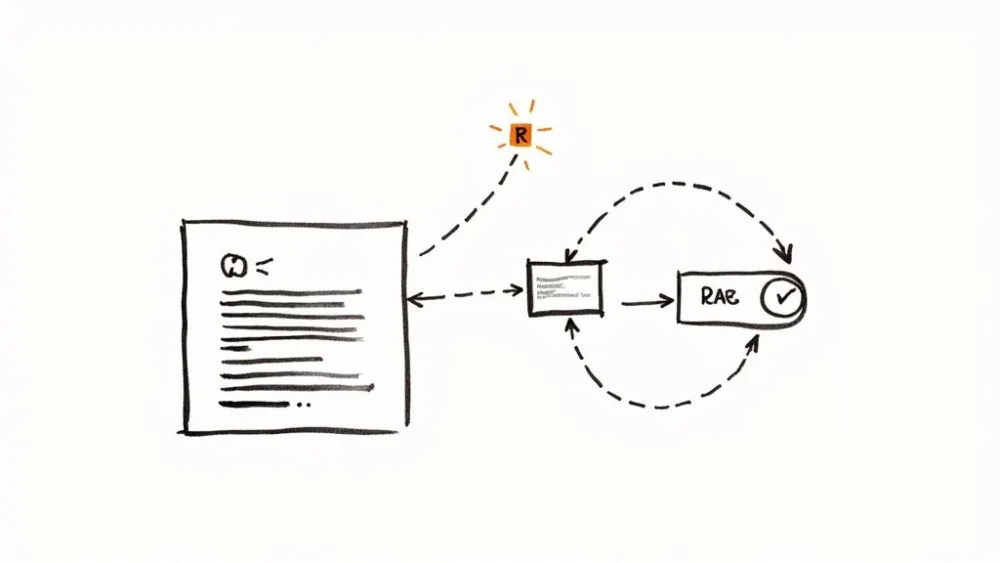
How to Implement Retargeting Campaigns
- Install the Facebook Pixel: The first step is to place the Facebook Pixel code on every page of your real estate website. This allows Facebook to start collecting data on visitor behavior.
- Create Custom Audiences: In Facebook Ads Manager, create custom audiences based on specific actions. For example, build an audience of users who viewed a particular listing, visited your "Contact Us" page, or spent a significant amount of time on your site.
- Design Your Retargeting Ads: Create ads tailored to each audience segment. For users who viewed a specific property, show them a dynamic ad featuring that exact listing, perhaps with a new headline like "Still thinking about 123 Maple Street? It won't last long!"
- Launch and Optimize: Set your campaign objective, such as "Traffic" or "Leads." Monitor performance and use frequency capping to avoid showing your ads too often to the same person, which can cause ad fatigue.
Pro Tip: Create a sequential messaging strategy. A user who only visited your homepage could see a brand awareness ad, while someone who viewed a specific listing page could be retargeted with an ad to book a showing for that property. This guided journey moves leads down the sales funnel efficiently.
For agents looking to streamline this process, integrating these campaigns into a broader strategy can yield even better results. Many advanced retargeting tactics are a core component of successful real estate marketing automation, allowing you to nurture leads automatically without constant manual oversight. This sophisticated approach helps ensure no potential client slips through the cracks.
8-Point Comparison of Facebook Marketing Ideas for Real Estate
| Approach | Implementation Complexity 🔄 | Resource Requirements ⚡ | Expected Outcomes ⭐📊 | Ideal Use Cases 💡 | Key Advantages ⭐ |
|---|---|---|---|---|---|
| Facebook Lead Generation Ads for Real Estate | Medium — ad setup, form & CRM integration 🔄 | Low–Medium — ad spend + basic CRM ⚡ | High lead volume; variable lead quality; measurable ROI ⭐📊 | Quick prospect capture for listings and open houses 💡 | Fast capture, mobile-optimized, cost-effective ⭐ |
| Virtual Tours and 360-Degree Video Content | High — production, stitching, hosting 🔄 | High — 360/DRONE gear, editing, hosting ⚡ | Very high engagement; better buyer qualification; longer production lead time ⭐📊 | Luxury listings, remote buyers, unique properties 💡 | Immersive experience; reduces in-person showings; premium perception ⭐ |
| Targeted Facebook Ads Based on Life Events | Medium–High — audience research & testing 🔄 | Medium — ad spend + targeting data tools ⚡ | Higher-quality leads; lower CPL when optimized; timely conversions ⭐📊 | Campaigns timed to engagements, relocations, job changes 💡 | Timely relevance; repeatable segmentation; improved conversion ⭐ |
| Community and Neighborhood Spotlight Content | Medium — local research + content creation 🔄 | Low–Medium — time, local partnerships, modest production ⚡ | Builds long-term authority and organic reach; slower immediate leads ⭐📊 | Brand building and attracting location-specific buyers 💡 | Establishes local expertise; evergreen, highly shareable content ⭐ |
| Facebook Group Communities for Buyer Education | Medium — setup, rules, regular moderation 🔄 | Low–Medium — ongoing time for moderation & content ⚡ | High trust and referrals over time; slow direct conversions ⭐📊 | First-time buyer education, investor networks, ongoing nurturing 💡 | Community loyalty, recurring touchpoints, low ad spend ⭐ |
| Client Testimonial and Success Story Videos | Low–Medium — recruit clients, film, edit 🔄 | Low — basic video gear or phone + editing time ⚡ | Increased credibility and conversion; strong ad performance ⭐📊 | Social proof for ads, listings, agent branding campaigns 💡 | Authentic social proof; higher CTR/CTR and repurposable content ⭐ |
| Market Analysis and Trend Reports as Lead Magnets | Medium–High — data collection, analysis, design 🔄 | Medium–High — MLS access, analytics tools, design ⚡ | Captures qualified, information-seeking leads; authority building ⭐📊 | Investor outreach, high-intent buyers, content marketing funnels 💡 | Data-driven credibility; high lead quality; shareable resources ⭐ |
| Retargeting Campaigns and Pixel-Based Advertising | High — pixel implementation, dynamic ads, tracking 🔄 | Medium — technical expertise + ad spend ⚡ | 3–7x higher conversion vs cold audiences; strong measurable ROI ⭐📊 | Converting website visitors and nurturing warm prospects 💡 | Higher conversion rates; measurable attribution; scalable campaigns ⭐ |
Putting Your Plan Into Action
We've explored a powerful toolkit of eight distinct Facebook marketing ideas for real estate, moving from high-intent lead generation ads to community-building content. The journey from simply having a Facebook page to operating a lead-generating machine can feel overwhelming, but it doesn't have to be. The core takeaway is this: success isn't about doing everything at once. It's about doing a few things consistently and exceptionally well.
The most effective real estate professionals on Facebook are not just advertisers; they are community builders, educators, and trusted local experts. They understand that a home purchase is one of the most significant decisions a person will ever make. Their social media strategy reflects this by providing immense value long before asking for a sale. Whether through a detailed neighborhood spotlight, an educational buyer's group, or a transparent market report, they build trust one post at a time. This approach transforms your Facebook presence from a simple billboard into a dynamic resource for your target audience.
From Ideas to Implementation: Your Next Steps
So, where do you begin? The key is to build a sustainable system that works for your specific market and business goals. Don't try to launch all eight strategies tomorrow. Instead, focus on creating a powerful, manageable combination that generates momentum.
Here is a simple, actionable plan to get started:
- Select Your "Power Pair": Choose two or three strategies from this list that resonate most with you. A great starting combination is Facebook Lead Ads (to capture immediate interest) paired with a Retargeting Campaign (to nurture those who showed interest but didn't convert). Another effective duo is Community Spotlight Content combined with a Facebook Group to establish deep local authority.
- Commit to a 90-Day Sprint: Dedicate the next three months to mastering your chosen tactics. Create a content calendar, define your target audiences, and set clear, measurable goals. What does success look like? Is it 15 qualified leads per month? 200 new group members? Track your progress diligently.
- Prioritize High-Quality Visuals: In a visually-driven market like real estate, your creative assets are non-negotiable. Grainy phone pictures and uninspired graphics won't cut it. Invest in professional-looking content. For property listings, leverage modern tools that make premium visuals accessible, like AI-powered virtual staging or video walkthroughs. This single step can dramatically increase engagement and perceived property value.
- Analyze, Adapt, and Optimize: Your first campaign won't be your best, and that's okay. The goal is progress, not perfection. At the end of each month, review your key metrics. Which ad copy generated the most clicks? Which video tour had the highest watch time? Use this data to refine your approach, reallocate your budget, and double down on what works.
Mastering these Facebook marketing ideas for real estate is more than just a way to find your next client; it's about building a predictable, scalable pipeline for your business. It allows you to move beyond chasing leads and start attracting them. By consistently delivering value, showcasing your expertise, and leveraging the powerful targeting tools at your disposal, you can build a brand that stands out in a crowded market and becomes the go-to authority in your community. The tools are here. The strategies are proven. Now it's time to put your plan into action and build the business you've always envisioned.
Ready to elevate your property visuals and make every Facebook post impossible to ignore? Pedra uses advanced AI to instantly generate stunning virtual staging, item removal, and day-to-dusk conversions, giving you magazine-quality images in seconds. You can also turn the same listing photos into scroll-stopping real estate videos for your feed and ads. Try it for free and see how professional visuals can transform your real estate marketing at Pedra.
Facebook is one channel of ten — our guide to advertising for realtors covers the rest.