
Finding clients as a real estate agent really boils down to three things: a smart digital outreach plan, genuine networking, and a referral system that brings business to your door. The magic happens when you mix modern marketing with old-school, personal touches. That’s how you build a pipeline of leads you can count on.
Your Blueprint for Attracting Real Estate Clients
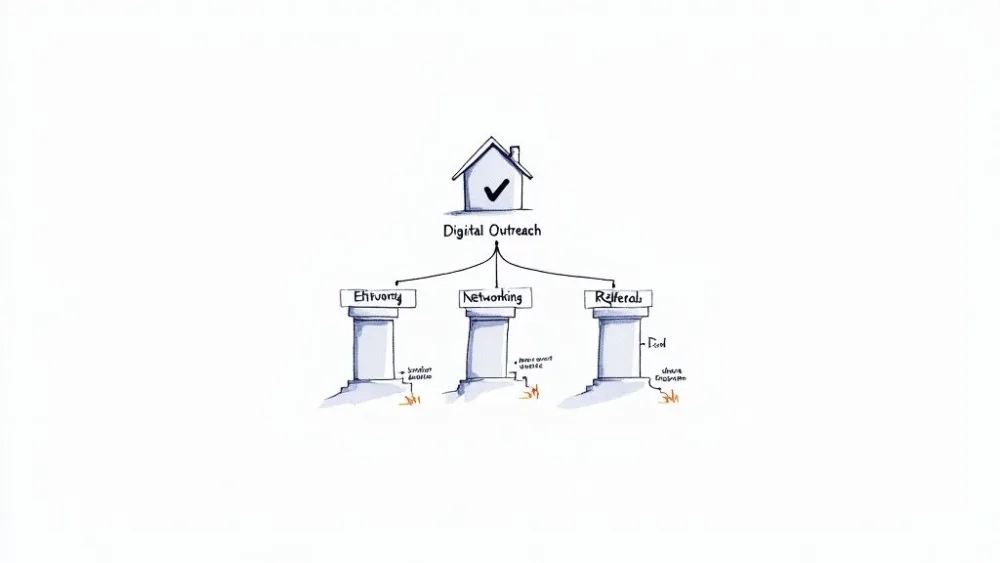
Let's be honest, the lifeblood of your real estate business is a steady flow of clients. But with a million different strategies out there, it’s easy to get overwhelmed trying to figure out where to put your time and money. This is true whether you're brand new or trying to grow an established business.
The secret? There isn't one. The most successful agents build a system by combining a few different channels. The goal isn’t to do everything. It's to find the right mix that fits your personality, your local market, and your budget. Some agents crush it with face-to-face networking at open houses. Others build a massive audience with sharp social media ads.
Finding Your Ideal Client Mix
To figure out where you should start, you need to understand the give-and-take of each activity. Some methods cost next to nothing but will demand a lot of your time. Others can bring in leads fast but require a bigger financial investment.
To help you prioritize, let’s compare some of the most common ways agents find clients. This table gives you a quick snapshot of what to expect from each channel.
Real Estate Client Channels at a Glance
This quick comparison should give you a better idea of where you might want to focus your energy. Look at it as your strategic map.
| Channel | Average Cost | Time Investment | Lead Quality |
|---|---|---|---|
| Social Media Ads | Low to High | Medium | Varies |
| Open Houses | Low | High | High |
| FSBOs & Expireds | Low | High | Medium to High |
| Referrals (SOI) | Low | Medium | Very High |
| Local Partnerships | Low | Medium | High |
See how it works? An agent on a tight budget might go all-in on open houses and nurturing their existing network (Sphere of Influence). On the other hand, an agent with more cash to spend might launch a targeted Facebook ad campaign to get the phone ringing right away.
Key Takeaway: Success isn't about mastering every channel. It's about getting really, really good at two or three that play to your strengths and then executing them consistently.
Think of this as the foundation for building a business that lasts. For a deeper dive, this modern playbook on real estate agent lead generation simplified is another great resource. Now, let's get into the specific tactics, scripts, and systems you need to turn these channels into actual closings.
Winning Clients with a Smart Digital Strategy
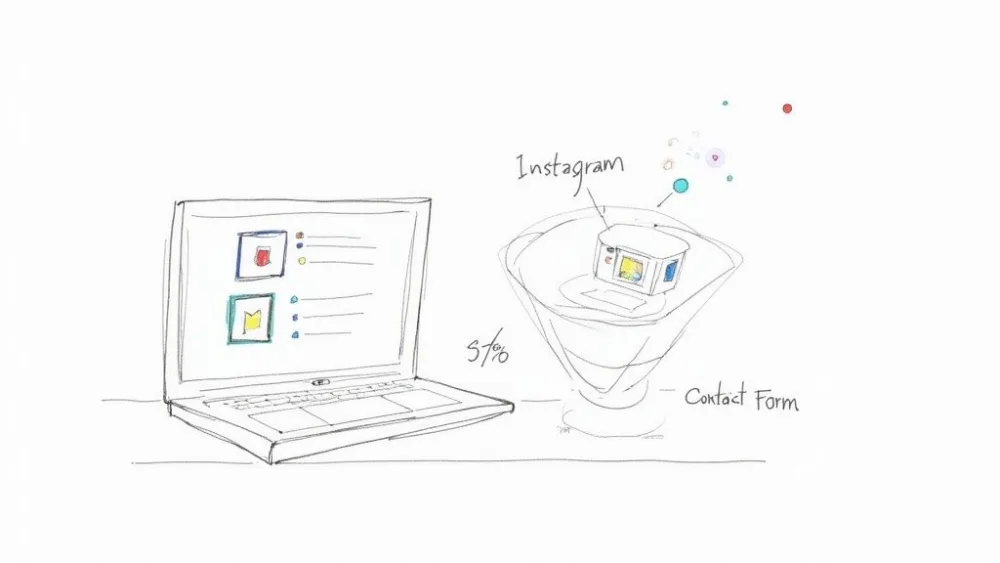
Let's be honest, your online presence is your new storefront. It’s where most potential clients will check you out long before they ever consider calling you. If you want to get clients in today's crowded market, you have to nail this part.
Instead of just posting and hoping for the best, think of your digital strategy as a funnel. The goal is to attract the right people, pull them in with content they actually care about, and make it incredibly simple for them to take the next step. It's about building a system that reliably feeds you opportunities, not just waiting for the phone to ring.
Choose Your Platforms Wisely
You don't need to be everywhere. You just need to be where your clients are. For real estate agents, a few platforms consistently deliver the goods. The real secret is to master one or two of them instead of spreading yourself too thin.
Focus your energy where you know both agents and their ideal clients are already hanging out. That’s where you'll get the most bang for your buck.
- Facebook: It’s still a beast for local community engagement. It’s perfect for running targeted ads and sharing property updates with a huge audience.
- Instagram: Real estate is visual, and so is Instagram. Use it for stunning property photos, behind-the-scenes stories, and quick video tours that stop the scroll.
- LinkedIn: This is your go-to for building a professional reputation. It's a fantastic place to connect with other pros, establish yourself as a market expert, and attract higher-net-worth clients.
Your social media profile is often the very first impression a client gets. Make sure it shows off the same professionalism and personality you would in a face-to-face meeting.
Make Your Listings Unforgettable with High-Quality Visuals
In an endless scroll of online listings, blurry smartphone pics are a death sentence. The quality of your visuals has a direct line to how fast a property sells and how many people reach out. Investing in professional-grade visuals isn't a luxury anymore—it’s a basic requirement.
The numbers don't lie. In the U.S., 92% of realtors are on Facebook, 68% use Instagram, and 52% are on LinkedIn. What separates the successful ones? Killer content. Listings with professional photos sell 32% faster. And get this: listings with video can get a whopping 403% more inquiries.
Don't just stop at standard photos. You need a mix of visuals to tell the full story of a home:
- Professional Photography: This is your foundation. Bright, crisp, beautifully composed photos are non-negotiable.
- Virtual Staging: Empty rooms are hard to sell. Tools like Pedra can digitally furnish a space, helping buyers see themselves living there. It’s a game-changer for a listing’s appeal.
- Video Tours: A simple walk-through video gives buyers a genuine feel for the layout and flow of the property. It makes them feel like they're already inside.
- 360° Virtual Tours: For a truly immersive experience, these interactive tours let buyers explore every nook and cranny from their own couch.
When you step up your visual marketing, you’re not just attracting more buyers for your current listings. You’re also sending a powerful message to potential sellers that you have a superior marketing game plan.
Run Targeted Ads That Actually Work
Organic reach on social media can only take you so far. That’s where paid ads come in. Running targeted ads on platforms like Facebook and Instagram lets you put your listings directly in front of your ideal clients based on where they live, what they're interested in, and even their online behavior.
Imagine running an ad for a new three-bedroom listing and aiming it directly at renters in a specific zip code who have shown interest in "first-time homebuyer grants." That kind of precision makes sure your ad budget is working hard for you, reaching people who are actually likely to convert.
For a deeper dive, check out our complete guide on marketing strategies for realtors.
Building a Business on Relationships and Referrals
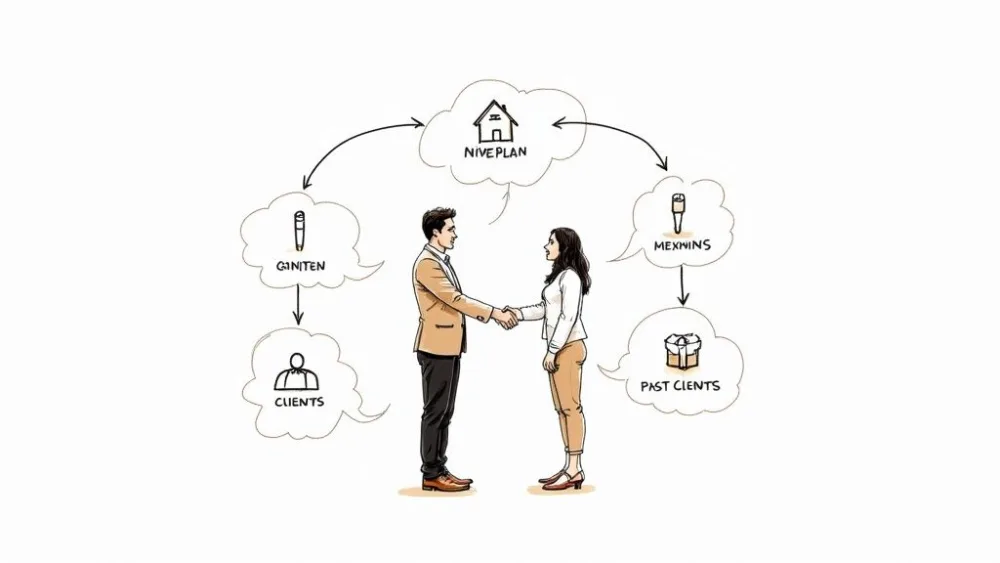
While your online presence is non-negotiable, let’s be real: real estate is, and always will be, a people-first business. The agents who build lasting careers don’t just chase leads; they build a rock-solid foundation of relationships that feeds them a steady stream of referrals.
These are the high-touch methods that create fiercely loyal clients. They're the people who not only call you for their next move but also become your biggest cheerleaders. This is where you stop thinking transactionally and start building a community around your name.
Turn Open Houses into Lead Generation Gold
An open house isn't just about showing off a property. It's a live-action opportunity to meet motivated, unrepresented buyers and get a feel for potential sellers in the neighborhood. Too many agents just stand by the door, handing out flyers and waiting. To make an open house really work for you, you need a game plan for engaging every single person who walks in.
Your real goal is to spark genuine conversations, not just get names on a sign-in sheet.
- Ask better questions: Ditch "Can I help you?" Instead, try "What brought you out to see homes in this area today?" or "What are a few must-haves you're looking for in your next place?"
- Be the local expert: Have info ready on schools, parks, commute times, and recent sales. When you offer real value, you become a resource, not just another agent.
- Don't ignore the neighbors: The neighbors who pop in are often thinking about selling. A simple, "Hi, I'm curious, what do you love most about living around here?" can be the start of a future listing conversation.
A well-run open house is your live audition. It showcases your professionalism, market knowledge, and ability to connect with people, making it one of the most effective ways to get clients as a real estate agent when you're starting out.
Systematically Nurture Your Sphere of Influence
Your Sphere of Influence (SOI) is the absolute goldmine of your business. This is everyone you know—past clients, friends, family, your dentist, your favorite barista, and other local business owners. These people already trust you, which is the toughest hurdle to overcome in sales. The only trick is staying top-of-mind so when real estate comes up, your name is the first one that pops into their head.
Don't just send a holiday card once a year. Put a simple system in place to provide consistent, non-salesy value.
- Quarterly check-ins: A quick text or call just to say hello and ask how they're doing goes a surprisingly long way.
- Monthly market updates: Send a short, personal email with interesting stats about their specific neighborhood, not just a generic city-wide report.
- Community events: Host a client appreciation party, like a summer BBQ at a local park or a private movie screening.
Create a Simple and Effective Referral Program
People are often more than happy to refer you, but life gets busy and they might not think to do it without a nudge. A simple referral program is that gentle nudge. It doesn't have to be complicated or break the bank.
For instance, for every referral that leads to a successful closing, offer a gift card to a great local restaurant. This not only thanks the person who referred you but also supports another local business, which deepens your community ties. Just make sure you clearly explain the program to your past clients and professional network.
Connect with FSBOs and Expired Listings by Offering Value
Approaching For Sale By Owner (FSBO) and expired listings can feel intimidating, but it's all in the approach. The secret is to lead with genuine help, not a hard pitch. These sellers are often frustrated, stressed, and tired of hearing from agents.
Instead of calling with the same old, "I have a buyer for your home" line, offer something they can actually use. You could provide a free report on recent comparable sales, offer to have professional photos taken to improve their listing, or share a marketing checklist they can use themselves. When you position yourself as a helpful expert, you build trust. Then, when they finally realize they need a pro, you'll be the one they call.
Crafting an Online Reputation That Sells for You
Long before a potential client ever calls you, you can bet they’re going to Google your name. What pops up—or what doesn't—will either build instant trust or send them clicking over to the next agent on the list.
In real estate, your digital reputation isn’t just a nice-to-have; it’s a silent salesperson working for you 24/7. It's the collection of reviews, professional profiles, and online activity that proves you’re the real deal.
Make Google Reviews Your Secret Weapon
When it comes to winning new clients, social proof is everything. Today, that proof lives on Google. Your Google Business Profile is your new digital storefront, and the reviews are your references.
The data doesn't lie. As of 2025, a staggering 78% of homebuyers and sellers consider Google reviews essential when picking an agent. Even a small one-star bump in your average rating can lead to a 5% to 8% increase in new business. That’s a direct line from happy clients to a healthier pipeline. You can dig into more of these powerful real estate review statistics to see the full picture.
The trick is to make leaving a review a natural, seamless part of your closing process.
- Timing is everything: The best time to ask is when your clients are riding high on their success—usually right after closing day.
- Keep it simple: Send a direct link to your Google review page. The fewer clicks it takes, the more likely they are to follow through.
- Personalize the ask: A simple text or email that says, "Would you mind sharing a few words about your experience? It would honestly mean the world to me," works like a charm.
Build an Agent Website That Inspires Trust
Your website is your home base online. It’s the one digital asset you completely own and control. It doesn’t need to be flashy, but it absolutely must look professional, be easy to use, and immediately show visitors why you’re the agent for them.
Think of it this way: your site has to instantly answer three questions for anyone who lands there.
- Who are you? Show them with a professional headshot and a short, relatable bio that screams local expertise.
- What do you do? Put your listings front and center with incredible photos and make the property search bar impossible to miss.
- Why should I trust you? Sprinkle your best client testimonials throughout the site, especially on the homepage where they can’t be missed.
Your website is your digital handshake. It needs to immediately convey competence, confidence, and a deep understanding of your market. Don't let a clunky, outdated site be the reason a great lead decides to look elsewhere.
Curate a Social Media Presence That Shows You're the Expert
Your social media profiles are an extension of your brand. This isn't just about posting "Just Sold" graphics. It’s a chance to build a real community, share valuable knowledge, and give potential clients a look at who you are and what it’s like to work with you.
Focus on content that educates and connects. Share quick market updates, home maintenance tips for the current season, or spotlight your favorite local coffee shop. When you position yourself as a neighborhood expert, you build authority and attract followers who see you as a resource, not just a salesperson. Our guide on real estate social media content is packed with ideas to get your creativity flowing.
Weave Testimonials into Everything You Do
Don't just collect reviews and let them sit there—put them to work everywhere. A powerful quote from a happy client is often more persuasive than anything you could ever say about yourself.
Here are a few smart places to feature them:
- On your website: Add a rotating banner of testimonials right on your homepage.
- In your email signature: Pop in a short, impactful quote with a link to read more reviews.
- On social media: Create clean, simple graphics featuring a client's quote and their photo (always ask for permission first!).
- In listing presentations: Dedicate an entire page to showcasing what past clients have said about your work.
By consistently putting this positive feedback out there, you build an undeniable story of success. It creates a powerful sense of trust that helps turn hesitant leads into clients before you’ve even had the first conversation.
Turning Leads Into Closed Deals with a Follow Up System
Getting a lead is just the starting line. The real money in real estate is made in the follow-up, which is how you turn a simple inquiry into a signed contract and, ultimately, a commission check. Without a reliable system in place, you’re just letting expensive opportunities slip right through your fingers.
Think of it this way: a new lead is a question. Your job is to be the fastest and most helpful answer. A disorganized follow-up process is like putting a potential client on hold indefinitely. Sooner or later, they’re going to hang up and call someone else who’s ready to talk.
The Critical Importance of Speed to Lead
Every minute that passes after a lead comes in, their interest cools down. It's a simple fact of the business: the agent who responds first dramatically increases their odds of winning the deal. This isn't just a theory; it's a fundamental rule of lead conversion. Your top priority should be closing the gap between their initial inquiry and your first personal touchpoint.
To make sure every potential client is handled quickly and professionally, you might want to look into specialized tools. For some great advice on what to choose, check out this resource on the best AI receptionist for real estate agents.
Industry benchmarks for 2025 show that the average lead-to-client conversion rate hovers at just 4.7%. That low number is almost always a direct result of slow or inconsistent follow-up. The data also tells us what works: phone calls are still king, making up a massive 38% of all successful conversions.
And with the average cost per lead now around $53.52, a slow response isn't just bad service—it's a serious financial leak.
Building Your Lead Conversion Workflow
An effective follow-up system doesn't need to be complicated, but it absolutely has to be consistent. What you need is a simple sequence of automated and manual steps designed to engage a new lead immediately and keep them warm over time.
This visual shows how your online presence can work together seamlessly, from positive Google reviews to a professional website, all reinforced by social proof.
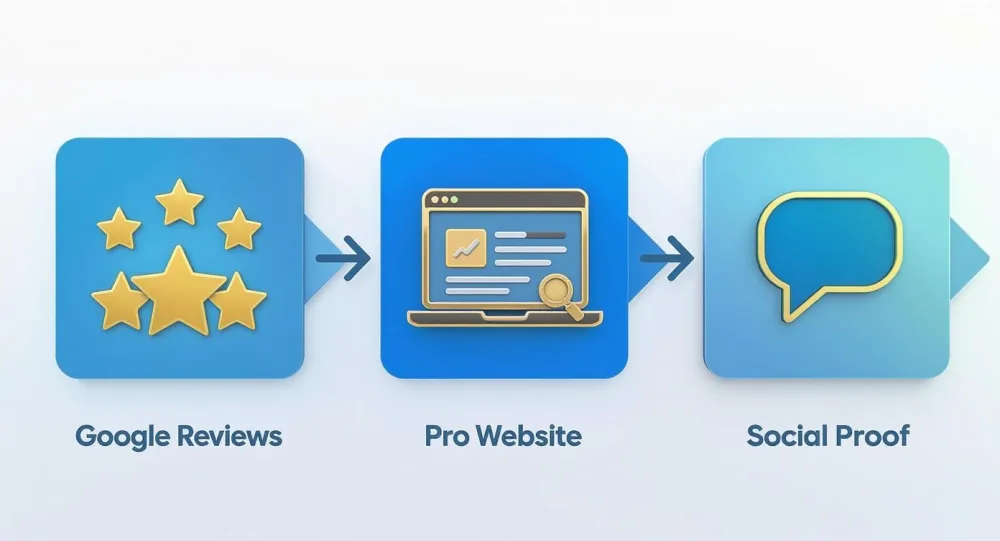
This entire process funnels potential clients straight to you, which makes your follow-up efforts that much more impactful.
Here’s a practical workflow you can set up today:
- Immediate Automated Response: The second a lead submits a form, they should get an automated text and email. The text can be simple: "Hi [Name], this is [Your Name]. I just got your inquiry about [Property/Topic]. Are you free for a quick chat in the next 5-10 mins?"
- The First Call (Within 5 Minutes): Your system should ping you to call them right away. This first conversation is all about discovery, not selling. Use a script to figure out their needs, timeline, and what’s motivating their move.
- Enroll in a Drip Campaign: After that first call, add them to a relevant email and text sequence in your CRM. This could be a "New Buyer" campaign with tips for securing a loan or a "Potential Seller" campaign sharing local market updates. Our guide on powerful Listing Presentation Templates can give you some excellent material to include in these campaigns.
Pro Tip: Your CRM is the engine of your follow-up system. Don't just use it as a digital address book. Set up automated task reminders for follow-up calls and customize your email campaigns to provide real value, not just sales pitches.
Your 90-Day Plan to Land Your Next Client
Knowing the strategies is one thing, but actually putting them into practice is what separates the agents who succeed from those who don't. Think of this 90-day plan as your roadmap to turn all that theory into real, tangible action.
I’ve broken it down into simple, weekly tasks designed to build momentum. The goal isn't perfection; it’s about building the consistent habits that will fuel your business for years to come. This is your playbook for building a client-generating machine from scratch.
Month 1: Laying a Powerful Foundation
The first 30 days are all about getting your house in order. You're building the systems and polishing the assets you’ll need to attract and manage new business without wanting to pull your hair out later. Getting this part right is non-negotiable.
Weeks 1-2: Foundational Setup
Your first move is to get your operational ducks in a row. A solid foundation makes every other activity you do ten times more effective.
- Dial in Your CRM: Choose a Customer Relationship Management system that will become the brain of your operation. Spend a few hours importing every contact you have—from your phone, email, and social media—and start tagging them (e.g., Sphere of Influence, past colleagues, local vendors). Don't skip this.
- Audit Your Online Presence: Do a top-to-bottom review of your social media profiles and your pages on Zillow and Realtor.com. Is your headshot professional? Does your bio clearly state who you help and how? Are all your links working?
Weeks 3-4: Content and Outreach Prep
Now, it's time to create the materials you’ll need for outreach and start warming up your network. You're getting your message ready before you start shouting it from the rooftops.
- Develop Your Core Scripts: Write down—and actually practice—your scripts for open houses, FSBO calls, and expired listing outreach. The key here is to lead with value, not a pushy sales pitch.
- Reconnect and Engage: Post on your social channels to re-introduce yourself as a go-to real estate resource. Then, reach out to 10 people from your sphere each week with a personal text or call. Just connect. Don't ask for business yet.
Month 2: Execution and Lead Generation
With your foundation solidly in place, month two is all about action. You’re going to actively jump into lead-generating activities, putting your new systems and scripts to the test in the real world. This is where you start filling that pipeline.
Your consistency during this month is the single biggest predictor of your success. Every conversation you have and every person who walks through your open house is a seed planted for future business.
Weeks 5-6: Launching Your Efforts
This is go-time. You'll host your first events and launch your first paid campaigns to start generating fresh inquiries.
- Host Your First Open House: If you don't have a listing, partner with a senior agent in your office. Promote it heavily online for a full week beforehand and use your new script to genuinely engage every single visitor.
- Launch a "Coming Soon" Ad: Run a targeted social media ad for a new listing (it can be yours or a colleague's). The goal here isn't just to show off the property—it's to capture leads who are actively looking.
Weeks 7-8: Building Momentum
Now you'll start layering in more direct outreach and building on what you've started.
- Contact 5 FSBOs/Expireds Weekly: Grab your value-based script and start making calls. A great way to open the door is by offering a free market analysis or even professional photos for their listing.
- Follow Up Relentlessly: Every lead from your open house and your ad needs to go directly into your CRM on an automated follow-up plan. They should also get a personal call from you within the first 24 hours.
Month 3: Nurture and Optimization
The final month is all about refining your process and nurturing the leads you’ve worked so hard to generate. This is where you turn interest into actual appointments. You'll also start analyzing your data to see what’s working best so you can double down on those activities.
By the end of this 90-day sprint, you won't just know how to get clients—you'll have a repeatable system for doing it, month after month.
Frequently Asked Questions
Getting your real estate business off the ground or taking it to the next level always brings up a few key questions. Let's tackle some of the most common ones agents ask when they're focused on growth.
How Much Should a New Agent Spend on Marketing?
There’s no single magic number, but a solid rule of thumb is to put 10% of your gross commission income (GCI) right back into marketing.
If you're just starting out and don't have that commission check yet, aim for a budget of $500 to $1,000 per month. The key is to spend it wisely on things that actually bring in business.
- Social media ads targeting a specific neighborhood or listing.
- Professional photos for your listings and a great headshot for your brand.
- A reliable CRM (Customer Relationship Management) tool. You need a system to keep track of every conversation.
What Is the Fastest Way to Get a Real Estate Client?
Your first (and fastest) client will almost always come from someone you already know. We call this your Sphere of Influence (SOI) for a reason—it’s where you have the most pull.
Start by telling everyone—friends, family, old coworkers—that you're in the business and eager to help. Another great shortcut? Host an open house for a busy agent in your office. It puts you face-to-face with motivated buyers who are actively looking for representation.
Should New Agents Focus on Buyers or Sellers?
Getting listings is the long-term goal for most agents, but working with buyers is usually where you'll get your first wins. It's the best hands-on training you can get.
Think of buyers as your entry point. You'll meet them at open houses and through online inquiries, which helps you master the transaction process. This builds your confidence, your bank account, and the testimonials you'll need to start attracting sellers down the road.
Ready to make every listing irresistible? With Pedra, you can instantly create stunning virtual staging, AI-powered photo enhancements, and property videos that captivate buyers and win you more clients. Transform your property visuals in seconds at https://pedra.ai.