
Looking to sell a property faster and for top dollar? These eight essential home staging tips will show you how to present your listings in their best light. Learn to transform any space into a buyer's dream by decluttering, optimizing furniture, using neutral colors, and more. Effective home staging helps buyers envision themselves living in the property, leading to quicker sales and potentially higher offers. These home staging tips will make your property stand out from the competition.
If you want a primer before diving in, read our guide on what house staging is and see the difference it makes in these staging before-and-after examples.
1. Declutter and Depersonalize
Decluttering and depersonalizing are foundational home staging tips and arguably the most crucial step in preparing your house for sale. This process involves removing excess belongings, personal items, and clutter to create a neutral and inviting space. By transforming your home into a blank canvas, potential buyers can easily envision themselves living there, rather than feeling like they're intruding in someone else's space. This also has the added benefit of making rooms appear larger and more appealing. It's about showcasing the house itself, not your personal life.
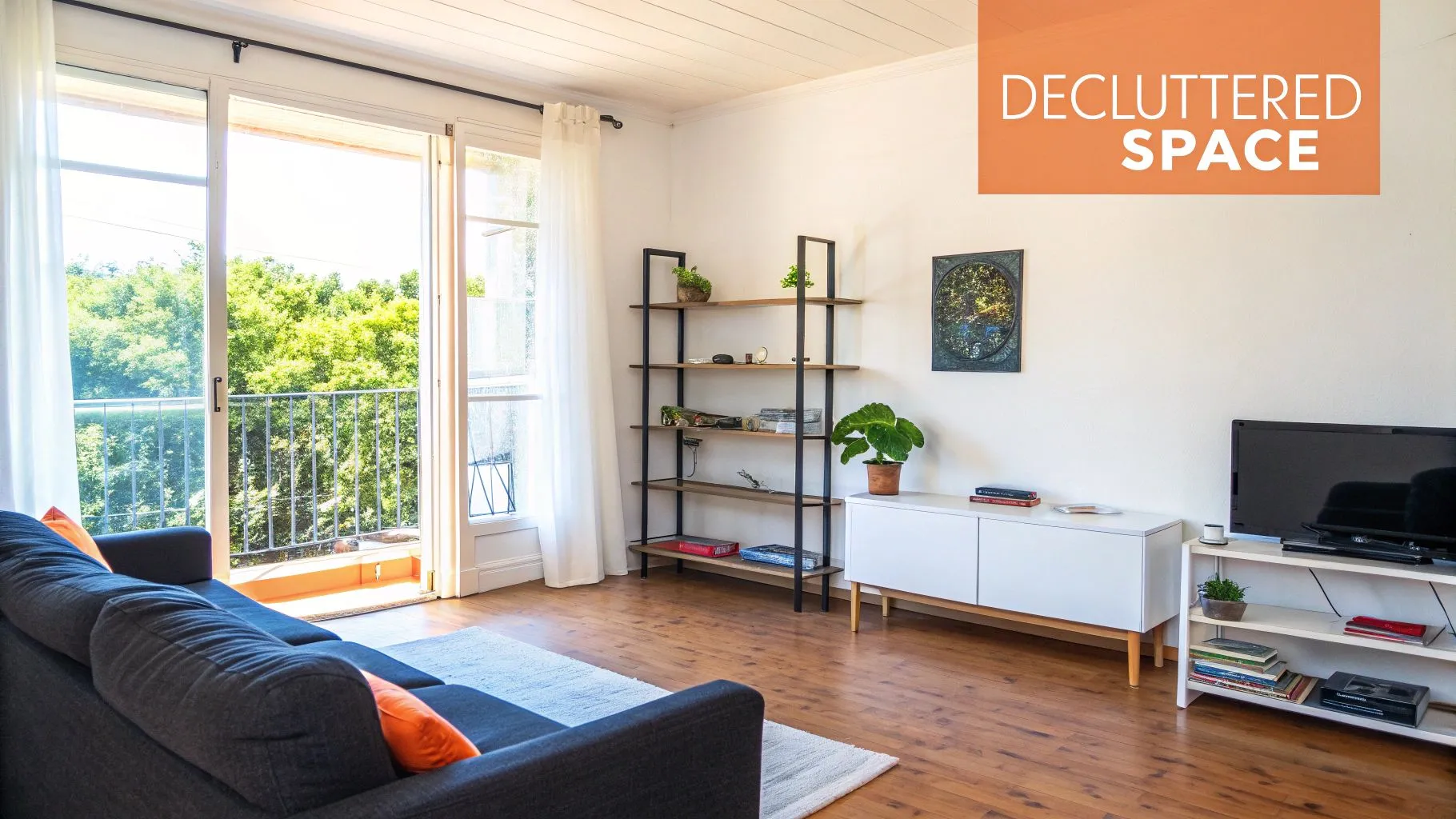
Think of a crowded family room filled with oversized furniture, family photos, and personal knick-knacks. Now, imagine that same room transformed into a spacious, airy area with minimal, neutral decor. That's the power of decluttering and depersonalizing. This approach allows the architectural features of the home to shine, drawing the buyer's eye to the property's potential rather than the seller's belongings.
Examples of successful implementation
- From cluttered to calm: A busy family room overflowing with furniture and personal photos becomes a clean, open space showcasing the room's size and natural light. Only key furniture pieces remain, arranged to maximize flow and highlight the room's best features.
- Serene sanctuary: A master bedroom piled with clothes, personal items, and mismatched decor transforms into a tranquil retreat. Decluttering and depersonalizing create a sense of calm and spaciousness, appealing to buyers looking for a relaxing primary suite.
Actionable tips for decluttering and depersonalizing
- Closets: Remove at least one-third of your belongings from closets. This creates the illusion of ample storage space, a major selling point for many buyers.
- Personal items: Pack away family photos, personal mementos, and anything that strongly reflects your individual taste. This allows potential buyers to visualize their own belongings in the space.
- Surfaces: Clear countertops in the kitchen and bathrooms of small appliances, toiletries, and other clutter. Clean, clear surfaces make a big difference in how buyers perceive a space.
- Storage solutions: Consider renting a storage unit or utilizing off-site storage for excess furniture and belongings. This investment can significantly improve the presentation of your home.
- Prioritize flat surfaces: Focus on clearing flat surfaces like tables, countertops, and shelves first. These areas tend to accumulate clutter quickly and are highly visible to potential buyers.
Pros: Costs nothing but your time, makes rooms appear larger, helps buyers visualize themselves in the home, and lets architectural features stand out.
Cons: Can be emotionally challenging, requires storage solutions for removed items, and is time-consuming for larger homes.
This first step in home staging is crucial because it sets the stage for all other enhancements. A decluttered and depersonalized home presents a more attractive and marketable property, ultimately leading to a faster and potentially more profitable sale.
2. Deep Clean Everything
Among the most crucial home staging tips is deep cleaning. This goes beyond your regular cleaning routine and involves a meticulous, floor-to-ceiling scrub of every nook and cranny. Deep cleaning creates the impression of a well-maintained property, free from neglect, and sets the stage for potential buyers to envision themselves living there. It addresses not only the obvious dirt and grime but also those often-forgotten spaces that buyers will notice during a thorough walk-through.
This method involves a comprehensive approach, tackling everything from window and light fixture cleaning to odor elimination and meticulous attention to detail. Think sparkling clean appliances, gleaming countertops, spotless bathrooms, and polished floors. The impact of a deep clean is undeniable, transforming even a dated space into one that feels fresh and inviting. A dated bathroom that sparkles with cleanliness can still attract buyers despite not having undergone recent renovations.
Actionable tips for a deep clean
- Inside and out: Clean inside appliances that buyers might inspect, such as ovens, refrigerators, and dishwashers. Wash windows inside and out to maximize natural light.
- Fabric refresh: Steam clean carpets and upholstery to remove dirt, stains, and odors.
- Odor elimination: Address any pet odors with enzymatic cleaners designed specifically for this purpose. Lingering smells can be a major turn-off for potential buyers.
- Detail-oriented cleaning: Don't forget often-missed areas like baseboards, ceiling fans, light switch plates, and door handles. These small details make a big difference.
- Grout cleaning: Clean the grout between tiles with specialized cleaners to brighten the appearance of bathrooms and kitchens.
Pros: Low-cost and high-impact, creates an immediate positive impression, implies the home is well-maintained, and eliminates distractions.
Cons: Labor-intensive, may require professional help for the best results, and is hard to maintain during the showing period.
When preparing your home for sale, deep cleaning is a must. By investing time and effort into a deep clean, you're creating a welcoming environment that allows potential buyers to truly envision themselves calling your property home.
3. Optimize Furniture Arrangement
One of the most impactful home staging tips is optimizing your furniture arrangement. This technique involves strategically placing furniture to create a sense of flow, highlight room functionality, and make spaces appear larger. The goal is to showcase the home's potential and allow easy movement throughout, enticing potential buyers to envision themselves living there.

Optimizing furniture arrangement works by creating defined spaces within a room, emphasizing focal points, and improving traffic flow. Instead of simply filling a room with furniture, consider how each piece interacts with the others and the overall space. For instance, a living room might be rearranged to create a conversation area around a fireplace, drawing attention to this architectural feature. This approach is especially useful in open floor plans, where strategically placed furniture can define distinct living areas without the need for walls.
Actionable tips for optimizing furniture arrangement
- Float furniture away from walls: This creates more intimate spaces and can make a room feel larger.
- Create conversation areas: Arrange furniture so that people naturally face each other, fostering a sense of connection.
- Ensure clear pathways: Maintain clear pathways of at least 30-36 inches wide for easy navigation.
- Remove oversized pieces: Oversized furniture can make rooms feel cramped. Opt for appropriately scaled furniture for each room.
- Position the largest piece first: Start with the largest piece of furniture, such as a sofa or bed, and then arrange other pieces around it.
- Focal point emphasis: Draw attention to key features like fireplaces or windows by arranging furniture to face them.
By implementing these home staging tips, realtors and real estate agents can significantly enhance a property's appeal and attract potential buyers.
4. Neutral Color Palette
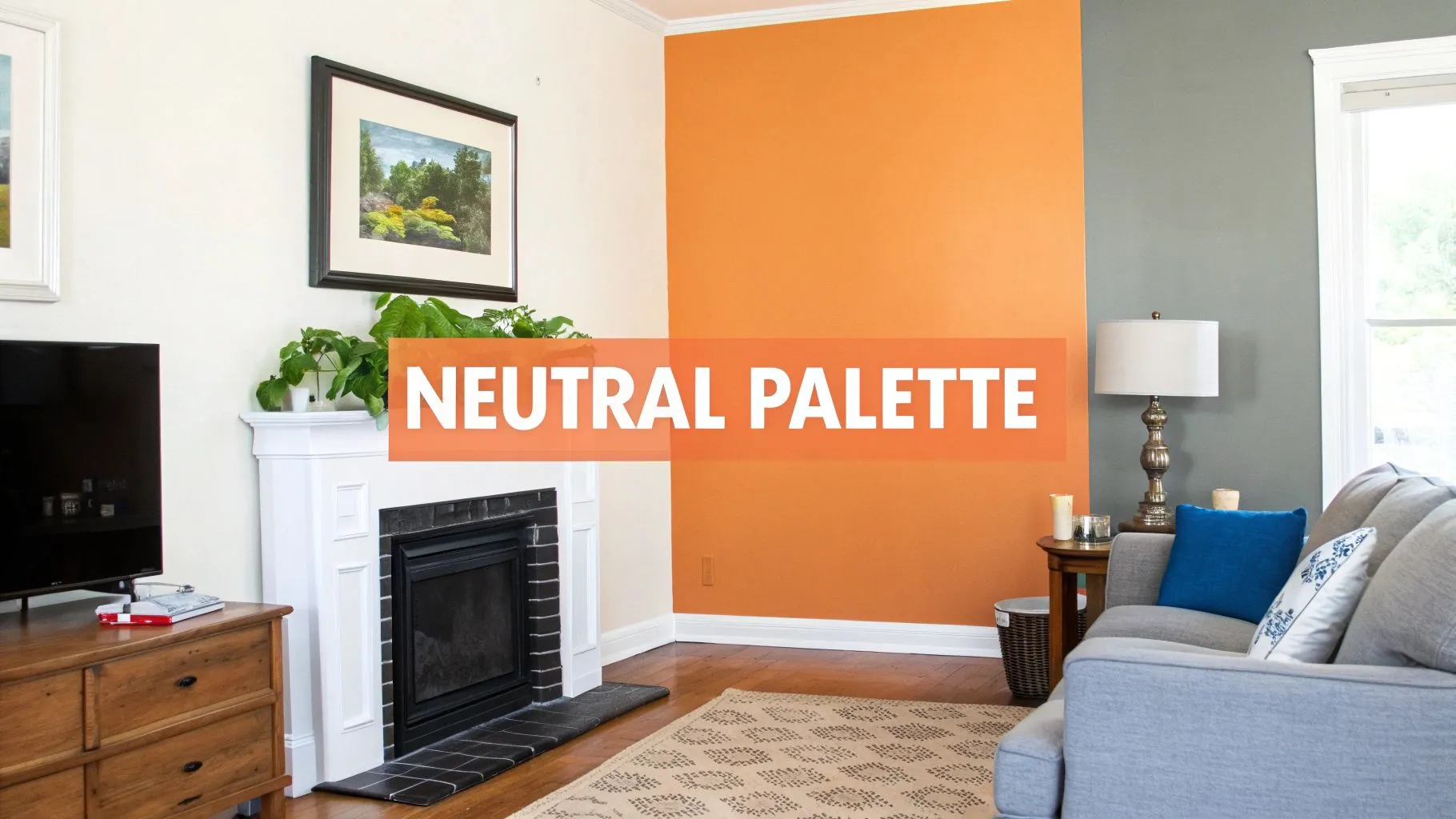
One of the most effective home staging tips is to embrace a neutral color palette. This involves using neutral colors for walls, large furniture pieces, and major decor elements, creating a universally appealing backdrop that attracts the widest range of potential buyers. Neutral doesn't have to mean boring. Think of it as creating a sophisticated, blank canvas that buyers can easily envision themselves personalizing.
This approach works because it removes personal color preferences that might not resonate with everyone. Light and airy neutrals maximize the perceived space, making rooms feel larger and brighter. A cohesive color story flowing through the home also creates a sense of harmony, which is especially important in open-concept layouts. Imagine a formerly dark-painted den, now transformed with light greige walls and neutral furniture accented with colorful throw pillows and artwork. The room instantly feels larger, brighter, and more inviting.
Tips for implementing a neutral color palette
- Choose the right neutrals: Opt for warm neutrals like beige, greige, or soft white rather than stark white or cool grays, which can feel cold and uninviting.
- Add pops of color strategically: Introduce color through accessories like throw pillows, rugs, artwork, and vases. These are easily changeable and allow buyers to see the possibilities.
- Fresh trim is key: Ensure trim is freshly painted in a complementary white or off-white for a crisp and clean look.
- Neutralize existing furniture: Consider neutral slipcovers for boldly colored furniture to create a more unified look.
- Cohesion is king: Use the same neutral family throughout the home for a sense of flow and continuity.
- Wall finish matters: Choose satin or eggshell finishes for walls to help hide imperfections and reflect light.
Pros: Appeals to the widest range of buyers, makes spaces appear larger and brighter, creates a cohesive flow, and highlights architecture.
Cons: May require repainting, can feel impersonal to some sellers, and requires restraint with personal color preferences.
5. Maximize Natural Light
One of the most impactful home staging tips is to maximize natural light. Light literally brightens a space, and this brightness creates an immediate positive emotional response in potential buyers. Well-lit homes feel more spacious, welcoming, and well-maintained, making light maximization a priority for effective staging.
This technique works by capitalizing on the power of natural light to enhance a property's best features. It leverages several key components: optimizing window treatments, strategic mirror placement, the use of light-reflecting surfaces, and supplementing with strategic artificial lighting when necessary.
Why maximize natural light?
A bright, airy space feels inviting and uplifting, while a dark, dim room can feel cramped and uninviting. Maximizing natural light helps to:
- Create an immediate positive impression: The moment a buyer steps inside, abundant natural light creates a feeling of openness and warmth.
- Make spaces appear larger: Light bounces off surfaces, creating an illusion of spaciousness, especially beneficial for smaller rooms.
- Highlight architectural features: Natural light can accentuate attractive details like moldings, high ceilings, and interesting window designs.
- Elevate mood during showings: A bright and cheerful environment makes buyers more likely to connect with the property.
Actionable tips for realtors and home stagers
- Window treatment optimization: Remove heavy drapes and replace them with light, flowing curtains or blinds that allow natural light to filter through.
- Clean windows thoroughly: Clean windows, inside and out, allow maximum light penetration. This simple step can make a surprising difference.
- Strategic mirror placement: Position mirrors opposite windows to reflect light deeper into the room, creating the illusion of more windows.
- Trim outdoor foliage: Overgrown trees and shrubs can block valuable sunlight. Trim back any foliage that obstructs windows.
- Strategic artificial lighting: In areas with limited natural light, supplement with strategically placed artificial lighting and layer ambient, task, and accent sources.
- Warm white LED bulbs: Use warm white LED bulbs (2700-3000K) for the most appealing and inviting light.
Pros: Creates an immediate positive impression, makes spaces appear larger, highlights architectural features, and elevates mood during showings.
Cons: May highlight flaws or dirt (so clean thoroughly first), can be challenging in naturally dark spaces, and may require window-treatment investments.
6. Create Lifestyle Vignettes
One of the most effective home staging tips is creating lifestyle vignettes. This technique involves setting up small, curated scenes within a room to help potential buyers envision themselves living in the space. Rather than simply showcasing a room's features, vignettes tell a story about how the space can be used and enjoyed. This helps buyers connect emotionally with the property, a key factor in making a purchase decision.
This approach goes beyond simply arranging furniture; it's about creating an aspirational yet attainable lifestyle. By demonstrating the purpose and potential of each space, you move beyond highlighting square footage and toward showcasing experience.
Examples of successful implementation
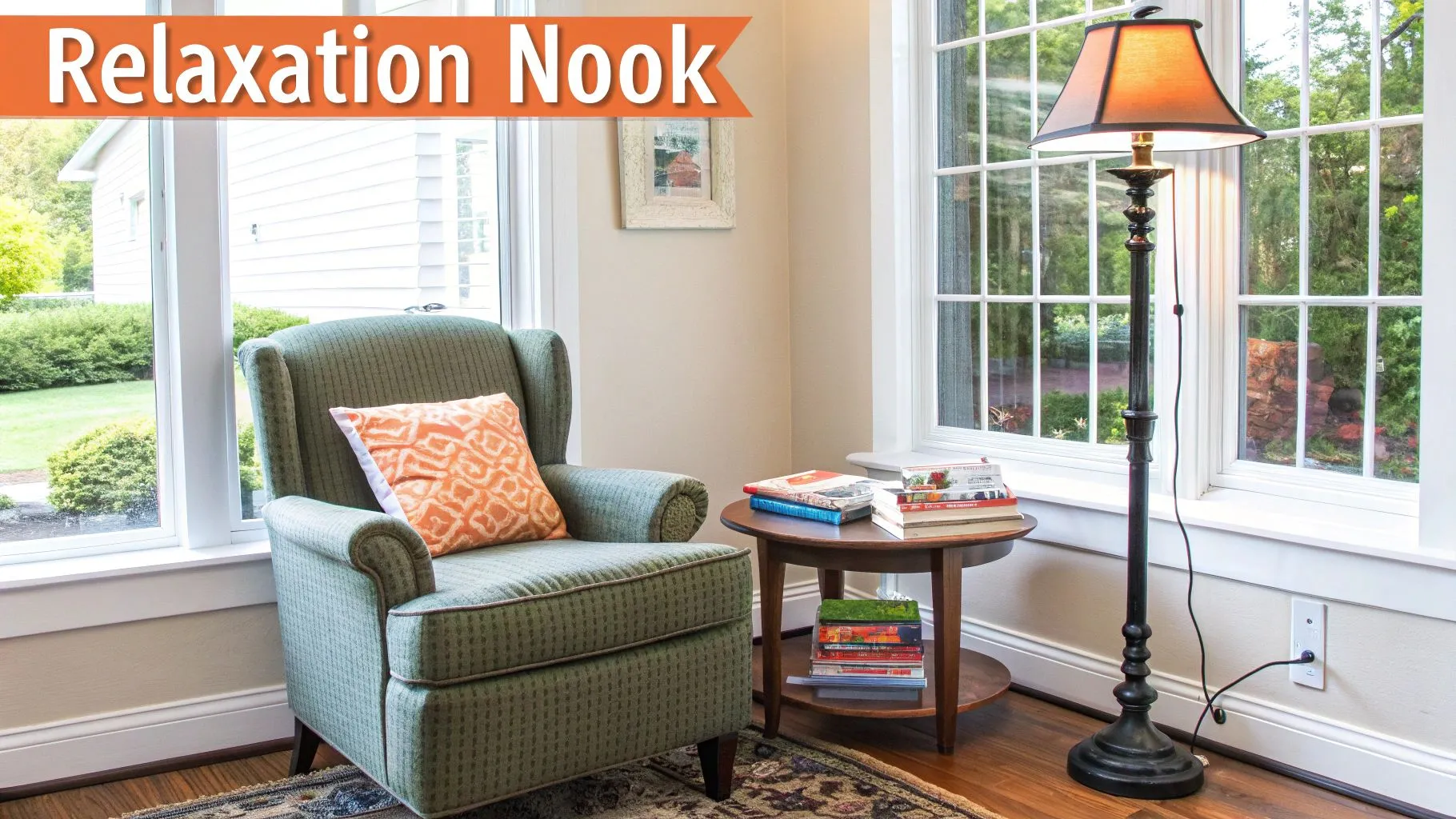
- Reading nook: A bay window transformed into a reading nook with a comfortable chair, a small side table with a lamp, and a stack of curated books.
- Outdoor entertaining: A patio staged with an outdoor dining set, lanterns, and place settings, instantly suggesting the potential for enjoyable outdoor gatherings.
- Home office: A small, unused alcove transformed into a functional and stylish home office space, appealing to today's work-from-home trends.
Actionable tips for creating vignettes
- Cozy reading corner: Place a comfortable armchair, a soft throw, and a reading lamp in a corner of the master bedroom.
- Dining room: Set the dining table with attractive, yet simple place settings to suggest a welcoming atmosphere.
- Spa-like bathroom: Folded towels, minimal toiletries, and a scented candle can create a spa-like atmosphere in the bathroom.
- Family room: A game or chessboard placed on a coffee table suggests a space for family fun and connection.
- Bonus room: A yoga mat and a few weights can transform a bonus space into a potential home gym.
Pros: Helps buyers emotionally connect with the property, demonstrates purpose for awkward spaces, showcases potential, and creates a memorable impression.
Cons: Requires some design skill and accessories, may require investment in new items, and must be maintained throughout the showing period.
7. Strategic Use of Accessories
Accessories are the secret weapon of home staging, offering a powerful way to elevate a space from bland to beautiful. This home staging tip focuses on using carefully chosen items to add personality, color, and texture, creating a finished, magazine-worthy look. While furniture provides the foundation, accessories are the finishing touches that truly bring a staged room to life.
Strategic use of accessories involves thoughtfully selecting and placing decorative items to enhance the overall aesthetic of a room. This isn't about randomly scattering knick-knacks; it's about creating a cohesive and stylish look that appeals to a broad range of buyers. By incorporating elements like throw pillows, blankets, artwork, vases, and decorative bowls, you can inject personality and warmth without making the space feel overly personal or cluttered.
Actionable tips for realtors and home stagers
- The rule of three: Group accessories in odd numbers, particularly threes, to create visual balance and harmony.
- The 60-30-10 color rule: Use 60% dominant color (usually the wall color), 30% secondary color (furniture), and 10% accent color (accessories).
- Texture is key: Introduce texture through throw pillows, blankets, rugs, and natural elements like woven baskets or wooden bowls.
- Greenery adds life: Incorporate plants or fresh flowers in key areas like the entryway, living room, and kitchen.
- Artful choices: Select artwork that complements the space without being too controversial or personal.
- Declutter and breathe: Keep surfaces at least 50% clear to avoid a cluttered appearance.
Pros: Cost-effective and versatile, adds personality without being overly personal, and creates a polished, professionally designed look.
Cons: Requires some design knowledge, can look cluttered if overdone, and needs ongoing maintenance during the showing period.
8. Focus on High-Value Rooms
When staging a home, focusing on high-value rooms is one of the most effective home staging tips you can implement. This strategy prioritizes the spaces that have the biggest influence on a buyer's decision, allowing you to maximize the impact of your staging budget. These rooms are typically the kitchen, master bedroom, living room, and bathrooms, the very heart of a home's functionality and appeal.
This method is all about optimizing your staging budget by prioritizing. Instead of spreading your resources thinly across the entire house, you concentrate on creating a "wow" factor in the rooms that truly matter to buyers. This might mean forgoing extensive staging in secondary bedrooms in favor of ensuring the kitchen is impeccably styled and the master suite feels like a luxurious retreat. This is especially valuable when you're staging an empty house for sale on a limited budget.
Actionable tips for home staging
- Prioritize key areas: Focus first on the entryway, living room, kitchen, and master bedroom/bathroom.
- Budget allocation: For limited budgets, fully stage these key areas before addressing secondary spaces.
- Kitchen enhancement: Clear countertops, organize cabinets, and add minimal stylish accessories.
- Master suite retreat: Make the master bedroom feel like a relaxing sanctuary with high-quality bedding and minimal furniture.
- Bathroom perfection: Ensure bathrooms are immaculately clean, with fresh towels and minimal toiletries.
- Welcoming entryway: Create a positive first impression with a console table and simple decor.
- Curb appeal is key: Don't neglect outdoor curb appeal, as it creates the very first impression.
Pros: Maximizes the impact of your staging budget, addresses the spaces buyers scrutinize most, and creates memorable impressions where they count.
Cons: Secondary spaces may appear neglected by comparison, and a stark contrast between staged and unstaged areas can feel inconsistent.
Top 8 home staging tips comparison
| Tip Title | Implementation Complexity | Resource Requirements | Expected Outcomes | Ideal Use Cases | Key Advantages |
|---|---|---|---|---|---|
| Declutter and Depersonalize | Medium - Time-consuming, emotional factors | Low - Mainly time, possible storage | Spaces appear larger; buyers visualize better | Foundational staging step; any home with clutter | Cost-effective; highlights features; larger feel |
| Deep Clean Everything | High - Labor-intensive, possibly professional | Medium - Cleaning supplies or pros | Positive impression; suggests well-maintained | Homes needing refreshed, spotless appearance | High-impact; removes distractions; odor control |
| Optimize Furniture Arrangement | Medium - May require physical effort & removal | Low to Medium - Use existing or add pieces | Improved flow and function; rooms look larger | Homes with awkward layouts or open floor plans | Enhances space use; showcases architecture |
| Neutral Color Palette | Medium - May need repainting and coordination | Medium - Paint and materials | Broad appeal; cohesive, bright spaces | Homes with bold colors or personal styles | Universal buyer appeal; enhances light & flow |
| Maximize Natural Light | Medium - Requires cleaning, adjustments, possible purchases | Medium - Window treatments, bulbs | Brighter, welcoming spaces; mood elevation | Naturally dark homes or rooms with blocked light | Immediate positive impression; larger feel |
| Create Lifestyle Vignettes | High - Design skill and accessory investment | Medium to High - New accessories | Emotional connection; memorable impression | Homes needing emotional appeal or awkward spaces | Demonstrates use; triggers buyers' imagination |
| Strategic Use of Accessories | Medium - Design knowledge needed | Low to Medium - Accessories purchase | Adds personality; creates polished look | Homes needing finishing touches, updated looks | Cost-effective update; flexible, low commitment |
| Focus on High-Value Rooms | Medium - Prioritization and targeted effort | Medium - Resources focused on key rooms | High impact in crucial areas; efficient spend | Homes with limited staging budgets | Maximizes ROI; targets buyer decision influencers |
Transform your property into a buyer's dream
By implementing these home staging tips, decluttering, depersonalizing, deep cleaning, optimizing furniture, neutralizing the color palette, maximizing natural light, creating lifestyle vignettes, using accessories strategically, and focusing on high-value rooms, you can significantly enhance your property's appeal. These aren't just superficial changes; they are key steps in crafting a narrative that resonates with buyers, allowing them to envision themselves living in the space. A well-staged home doesn't just look better; it sells better, often faster and for a higher price.
Stage any room in seconds with Pedra
Physical staging is powerful, but it's also slow and expensive. With Pedra's AI virtual staging, you can furnish an empty room, redecorate a cluttered one, or restyle a dated space directly from a single photo in seconds, no movers, rentals, or photo shoots required. It's the fastest way to show buyers a property's full potential. Explore more examples in our guide to virtual staging for real estate, then try Pedra on your next listing.