
Selling a house is one of the most important and often stressful processes in a person's life. Whether you're selling your first property or moving on to a new one, it's crucial to approach the challenge with the right knowledge. Knowing the common mistakes when selling a house can make the difference between a quick, successful sale and a long, frustrating one.
Many sellers run into obstacles that could have been avoided with proper preparation. From overpricing the property to neglecting its presentation, these errors can keep your house on the market longer than you'd like, or even cost you money. Identifying and understanding them will help you avoid setbacks and give you the confidence to navigate the real estate market successfully.
This guide walks you through the most common mistakes house sellers make and, most importantly, how to avoid each one. By the end, you'll have practical strategies to make your selling experience as smooth and profitable as possible, from initial preparation to closing the sale.
1. Not preparing the house for sale
When homeowners decide to sell, they often underestimate the importance of preparation. Skipping it can lead to several problems:
- Less visual appeal: Houses that aren't well presented tend to discourage buyers. A cluttered or unattractive space can make a property seem less valuable than it really is.
- Reduced sale value: Buyers are willing to pay more for a property that shows well. If basic improvements like painting, minor repairs, or tidying up the landscaping aren't made, owners can lose a significant portion of their return.
- Negative perception: A house that isn't clean or maintained can give the impression that there are hidden problems, creating distrust that affects the buyer's decision.
To avoid this mistake, you can use a virtual home staging tool to make each room look as attractive as possible before a single buyer walks through the door. For room-by-room ideas, see our home staging tips.

2. Overpricing the property
One of the most common mistakes is overpricing the house, which can result in a long and frustrating sale. The consequences of setting a price too high include:
- Less buyer interest: An overpriced property deters potential buyers from the start. If the price is too high, even interested parties may dismiss it without a second look.
- Failed negotiations: Buyers tend to make lower offers when they consider the asking price excessive, leading to lengthy back-and-forth and, in many cases, a sale that never materializes.
- Market staleness: The longer a property sits on the market, the more buyers perceive it as devalued, often forcing the owner to drop the price considerably.
To set the right price, conduct a professional valuation or a Comparative Market Analysis (CMA) that considers similar properties recently sold in the area. If your listing is already stuck, our guide on what to do when you have a property that won't sell covers how to reset the price and relaunch it.
3. Not hiring a real estate agent
Many homeowners think they can sell without an agent, but going it alone can be a costly mistake. The benefits of working with a professional include:
- Experience and market knowledge: An agent understands the local market and can provide valuable information about prices, trends, and in-demand areas.
- Effective marketing: Agents have access to tools that promote the property more effectively, including the MLS (Multiple Listing Service) and virtual home staging.
- Negotiation management: A professional can handle negotiations with buyers, securing the best possible price while protecting your interests.
Don't underestimate the value a good agent brings to the process. It's an investment that often results in a faster, more effective sale.
4. Neglecting the presentation
The presentation of the house is crucial, and neglecting it can have serious repercussions:
- First impression: Buyers often decide whether they like a house within the first few minutes of a visit. A clean, organized home makes a strong impression that influences the purchase decision.
- Negative distractions: A cluttered space distracts buyers from the property's best features. Excessive furniture, for example, can make a room appear smaller than it actually is.
- Missed opportunities: If the house isn't presented well, buyers lose interest quickly and sales opportunities vanish.
Dedicate time to cleaning, decluttering, and organizing every space before showing the house.

5. Lacking a marketing strategy
A frequent mistake is not having an effective marketing strategy. The consequences include:
- Low visibility: Without the right combination of channels, the house can go unnoticed in a competitive market.
- Difficulty attracting buyers: Inadequate promotion means buyers never learn the property exists. This often comes from skipping social media, online ads, or open-house events.
- Slower sales: A lack of marketing leads to a slow sale and, eventually, a price reduction.
To avoid this, implement a real estate marketing plan that combines digital and traditional strategies. Using virtual home staging to present the property attractively is one of the best ways to capture buyer interest online.
6. Not conducting a pre-inspection
Many homeowners skip the pre-inspection, which can lead to unpleasant surprises during the sale. The consequences include:
- Hidden problems: Structural damage or electrical and plumbing issues that aren't identified early may surface during negotiation, causing buyers to withdraw.
- Unforeseen costs: Failing to detect problems before the sale can leave owners facing repair bills that could have been planned for.
- Negative perception: If a buyer discovers significant problems after making an offer, they may feel misled, eroding trust in the seller.
A pre-inspection lets you address problems before they become an obstacle to closing.

7. Refusing to negotiate
Refusing to negotiate is another mistake that can cost you the sale. The consequences include:
- Missed opportunities: Buyers often open with a lower offer as part of the process. Rejecting these outright can mean losing serious buyers.
- A prolonged sale: An inflexible seller can drag the sale out far longer than necessary, frustrating both parties.
- Negative impression: Buyers may see a seller unwilling to negotiate as unreasonable, which colors their overall view of the property.
Stay open and flexible during negotiation. For a structured approach to offers and counteroffers, read our guide on how to negotiate the house price.
How to avoid these mistakes when selling a house
Selling a house can be complicated, but with proper preparation and a clear plan you can sidestep the most common errors. Here are the most effective ways to optimize your selling experience.
Prepare the house effectively
Preparation is the step that most changes a buyer's perception. A few tips:
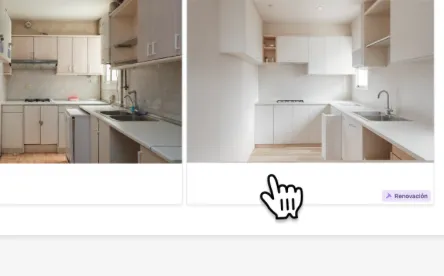
- Make digital visual adjustments: Instead of immediate physical repairs, virtual home staging visually corrects imperfections such as worn walls or cluttered areas, improving the image without a large upfront investment.
- Depersonalize the space: Digitally remove excess furniture and personal items to create a neutral space where buyers can picture themselves living.
- Show clean, welcoming rooms: Virtual home staging can represent a deep clean without moving a single object, presenting a move-in-ready home.
- Apply professional styling: Like traditional staging but without the cost, it lets you show the house with modern decor, good lighting, and an attractive layout.
- Enhance the exterior: Editing techniques can optimize the exterior, adding greenery or fixing the lawn without immediate physical work.
Value the property realistically
Setting the right price is fundamental to attracting buyers:
- Comparative Market Analysis (CMA): Research similar properties recently sold in your area to understand current prices and set a competitive figure.
- Hire a professional appraiser: If you're unsure of your home's value, an appraiser will evaluate the property and provide a detailed market report.
- Consider market trends: In a seller's market you may set a higher price, while a buyer's market may call for a lower one to attract interest.
- Evaluate unique features: A recent renovation, strong location, or extra amenities can justify a higher price. Our guide on how to increase your property value covers improvements worth making before listing.
Choose a good real estate agent
A real estate agent can be a great ally. When choosing one:
- Local experience: Look for an agent with deep knowledge of your local market and its price trends.
- References and reviews: Ask friends or family for recommendations and read online reviews to gauge client satisfaction.
- Effective communication: Choose someone responsive who keeps you informed about the sale's progress.
- Marketing strategy: Ask about the agent's plan to promote your property across both digital and traditional channels.
- Trust and compatibility: You should feel comfortable trusting this person to handle the sale of your house.
Improve the presentation of the house
An effective presentation makes your house stand out:
- Use neutral colors: Neutral walls help buyers visualize their own style in the space.
- Optimize lighting: Make sure every room is well lit. Open curtains, turn on lights, and add lamps where needed.
- Arrange furniture strategically: Position furniture to ease movement and highlight the home's best features, avoiding clutter.
- Create inviting rooms: Decorate with elements that make each space feel cozy and cared for.
Conduct pre-inspections and repairs
A pre-inspection helps you fix problems before they become obstacles:
- Inspect the structure: Check foundations, roofs, and walls for damage, and consider a professional inspector for a thorough evaluation.
- Check plumbing and electrical: Make sure systems work correctly, looking for leaks, dripping faucets, and dead outlets.
- Test heating and air conditioning: If these systems are old or inefficient, consider repairing or replacing them before selling.
- Check the roof: Look for damaged shingles or signs of leaks; a sound roof is a real selling point.
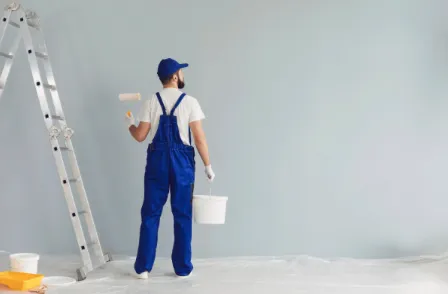
- Make minor repairs: Patch holes in walls and replace damaged fixtures to improve the property's perceived condition.
Be flexible in negotiation
Flexibility is key to closing the sale:
- Listen to every offer: Keep an open mind. Even a low opening offer may leave room for a deal.
- Know your limit: Set a minimum acceptable price, but be ready to compromise to close.
- Be reasonable with counteroffers: Justify your counter with market data or unique features of the property.
- Keep communication open: Maintain a positive, professional dialogue with your agent and buyers throughout.
- Consider other terms: Don't focus only on price; closing timelines or included furniture can also seal a deal.
Sell smarter with Pedra
With Pedra, selling a house is easier and more effective. Our virtual home staging tools help you avoid these common mistakes and maximize your property's appeal, so you can sell faster and for more.