
In today's competitive market, a yard sign and an MLS listing are just the starting line. To truly capture buyer attention, sell properties faster, and build a standout brand, you need a strategic arsenal of high-impact real estate marketing materials. This isn't just about having more; it's about having the right assets that tell a compelling story for each property and resonate with your ideal clients.
This guide moves beyond theory to provide a comprehensive, actionable blueprint. We will break down the ten most crucial marketing assets every agent needs to master, from foundational visuals to sophisticated digital campaigns. For each item on our list, you'll find clear, practical guidance on:
- What it is and why it matters: The core purpose and strategic value of each material.
- Best practices and use cases: How to deploy each asset for maximum impact.
- Production tips and tools: Concrete advice for creating high-quality materials, including how to use powerful tools like Pedra for virtual staging, photo enhancement, and video creation.
- Distribution and measurement: Where to share your content and how to track its success.
This listicle is designed to be your go-to resource for crafting a marketing plan that not only looks professional but also drives tangible results. Whether you're a seasoned broker refining your strategy or a new agent building your toolkit, this is your roadmap to creating marketing that converts lookers into buyers and listings into sales. Let's dive in.
1. Professional Property Photography
Professional property photography is the cornerstone of all effective real estate marketing materials. It involves hiring a skilled photographer to capture high-quality, compelling images of a property using specialized equipment, lighting, and composition techniques. In today's visually-driven market, professional photos are non-negotiable; they are often the first interaction a potential buyer has with a listing and directly influence their perception of its value and desirability.
Stunning visuals don't just attract more views; they attract the right kind of attention, leading to more qualified inquiries. For example, listings on Zillow with professional photos can receive over 32% more inquiries than those without. This is why major iBuyers like Opendoor and luxury firms like Sotheby’s International Realty mandate professional photography for every single property they list.
Best Practices for Property Photography
To maximize the impact of your photos, focus on preparation and strategy. A great photographer can only capture what's in front of them, so setting the stage is crucial for success.
- Prepare the Property: Declutter every room, depersonalize spaces, and ensure the home is sparkling clean. Consider professional staging or virtual staging to showcase an empty property's full potential.
- Schedule for Light: Book your photoshoot during the "golden hour" (just after sunrise or before sunset) for soft, warm, and inviting natural light that makes interiors and exteriors glow.
- Capture the Full Story: Your photo set should tell a complete story. Include wide shots of each room, detailed close-ups of unique features (like custom cabinetry or high-end appliances), and exterior photos that provide neighborhood context.
- Enhance with Technology: Use drone photography for properties with significant land, stunning views, or unique architectural rooflines. After the shoot, expert photo editing can correct colors, remove blemishes, and ensure every image is flawless. For an in-depth guide, you can learn more about the impact of real estate photo editing services.
2. Virtual Tours and 3D Walkthroughs
Virtual tours and 3D walkthroughs are immersive digital experiences that allow potential buyers to explore a property remotely from anywhere in the world. Using 360-degree photography or 3D modeling, these tours create a realistic, interactive "digital twin" of the home, giving buyers a true sense of its layout, flow, and scale. They have become an essential component of modern real estate marketing materials, especially in a post-pandemic world where remote viewing is now an expectation.
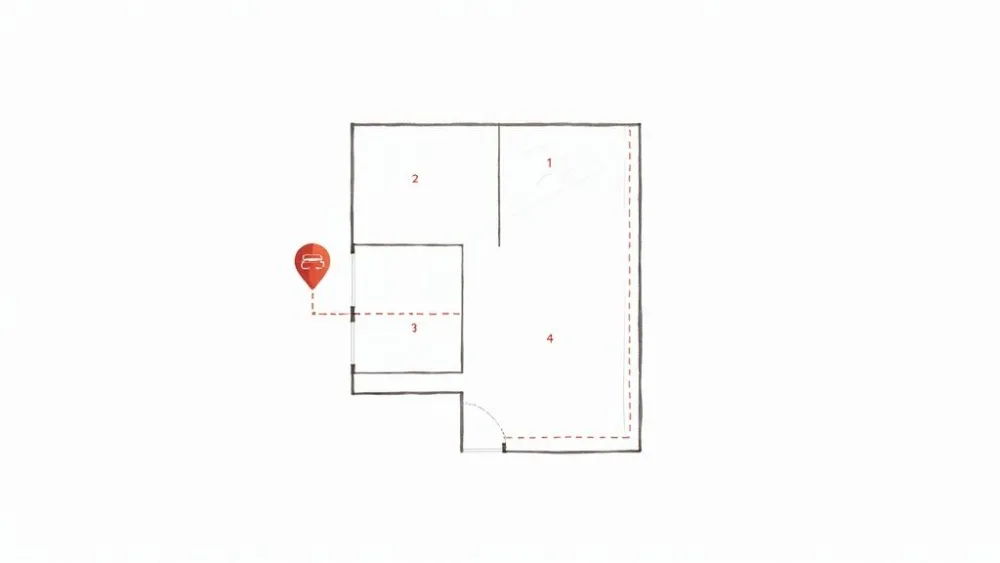
This technology significantly enhances buyer engagement and pre-qualifies leads. For instance, Zillow's own data shows that listings with their 3D Home tour receive up to 64% more engagement. Industry leaders like Matterport have enabled millions of these tours, while major brokerages such as Redfin and eXp Realty integrate them into a large portion of their listings, recognizing their power to attract serious, well-informed buyers.
Best Practices for Virtual Tours
An effective virtual tour is more than just a collection of 360-degree images; it's a guided experience that sells the property's lifestyle and unique features.
- Plan the Path: Create a logical and seamless flow through the property, starting from the entrance and moving naturally from room to room. Avoid confusing navigation that could frustrate users.
- Optimize Lighting and Staging: Ensure the home is well-lit and perfectly staged before capture. Good lighting is critical for 360-degree cameras to produce a clear, high-quality tour.
- Include Interactive Elements: Integrate features like digital measuring tools, clickable info tags highlighting upgrades (e.g., "new quartz countertops"), and an interactive floor plan that shows the user's location within the home.
- Ensure Mobile Compatibility: The majority of buyers browse listings on their phones. Your virtual tour must be mobile-responsive and load quickly to provide a smooth experience across all devices. For a deeper dive into creating compelling digital experiences, you can explore the benefits of virtual tours for real estate agents.
3. Property Brochures and Flyers
Property brochures and flyers are tangible, leave-behind marketing assets that summarize a property's key selling points. These printed or digital documents combine professional photos, compelling descriptions, and essential details like price and square footage into a visually appealing, easy-to-digest format. In an increasingly digital world, a high-quality physical brochure offers a memorable touchpoint, bridging the gap between online listings and in-person viewings.
They serve as a powerful tool at open houses, property tours, and local community events, ensuring potential buyers leave with a professional reminder of the home. For instance, luxury firms like Coldwell Banker Global Luxury often use premium, multi-page brochures with high-end finishes to reflect the quality of their listings, while agencies like Century 21 provide agents with effective, brand-consistent templates for widespread use. These materials are a critical part of a comprehensive real estate marketing materials strategy.
Best Practices for Brochures and Flyers
To create a brochure that stands out and drives action, focus on clean design, high-quality production, and strategic content that tells a compelling story.
- Prioritize Professional Design: Use a clean, uncluttered layout with ample white space that allows your photos and key information to shine. Stick to professional fonts and ensure the design aligns with your personal or agency branding.
- Invest in Quality Production: For printed materials, especially for mid-range to luxury properties, use high-quality, heavy paper stock. A premium feel communicates value and attention to detail.
- Integrate Digital Elements: Bridge the print-to-digital gap by including a QR code. This code can link directly to a 3D virtual tour, a video walkthrough, or the full online listing for more in-depth exploration.
- Highlight Key Selling Points: Prominently feature the property's unique selling propositions on the front. Include a detailed features list, a professional floor plan, and information about key neighborhood amenities, schools, and conveniences. Always ensure your contact details are clear and easy to find.
4. Social Media Marketing Content
Social media marketing content is the strategic creation and distribution of digital assets across platforms like Instagram, Facebook, TikTok, and LinkedIn. It has evolved from a niche tactic to a fundamental component of modern real estate marketing materials, essential for reaching diverse demographics, particularly younger buyers, and building a powerful personal brand. This content goes beyond simple listings to include market insights, agent branding, and community highlights.
In an industry built on relationships, social media provides an unparalleled platform for connection and lead generation. Top agents like Ryan Serhant leverage Instagram with a mix of high-end property showcases and personal brand content to engage millions of followers. Similarly, teams are achieving viral reach on TikTok with creative property tours, while firms like Zillow use Instagram carousels to showcase property features, proving that social media is a critical tool for visibility and influence.

Best Practices for Social Media Content
To turn followers into clients, your social media strategy must be consistent, engaging, and value-driven. The goal is to build a community, not just an audience.
- Maintain Consistent Activity: Post a minimum of 3-5 times per week to stay top-of-mind and signal to algorithms that your account is active. To ensure consistent and timely posts, particularly on platforms like Instagram, consider leveraging Instagram scheduling tools tailored for real estate agents.
- Adapt to Each Platform: Tailor your content to the platform's strengths. Use visually-driven Reels and Stories on Instagram, short and engaging videos for TikTok, and professional market analysis for LinkedIn.
- Educate and Empower: Create valuable content that helps your audience, such as tips for first-time homebuyers, explanations of financing options, or local market trend reports. This positions you as an expert.
- Showcase Your Success: Share client testimonials, behind-the-scenes looks at closings, and before-and-after property transformations. Go live during open houses to provide authentic, real-time property tours and engage with viewers' questions.
5. Email Marketing Campaigns
Email marketing campaigns are targeted communications sent to nurture leads, engage past clients, and promote new listings. This strategy involves building and segmenting an email list to deliver relevant content, from property alerts to market updates. As one of the highest-ROI real estate marketing materials, email marketing provides a direct line of communication to your audience, building trust and keeping you top-of-mind. With an average ROI of 4200% ($42 for every $1 spent), it's a powerful tool for converting prospects into clients.
Top-performing agents and brokerages consistently leverage email to stay connected with vast networks. For instance, a brokerage might use an automated drip campaign to nurture new online leads, while a luxury agent could send a curated portfolio of exclusive listings to a VIP client list. These campaigns are highly effective because they deliver personalized, valuable information directly to an interested audience's inbox.
Best Practices for Email Marketing Campaigns
A successful email strategy is built on personalization, consistency, and a clear call-to-action. Simply sending out generic listings is not enough; your emails must provide genuine value to capture and hold your audience's attention.
- Segment and Personalize: Divide your contact list into segments based on criteria like buyer profile, desired location, price range, and engagement history. Use merge tags to personalize greetings and tailor content to each segment's specific interests.
- Craft Compelling Subject Lines: Your subject line is the first impression. Use curiosity, urgency, or personalization to boost open rates. A subject line like "New Listings in [Neighborhood] Just for You" is far more effective than "Weekly Newsletter."
- Provide Value and a Clear CTA: Each email should have a purpose. Offer valuable content like market analysis or home maintenance tips, and always include a clear call-to-action (CTA) such as "Schedule a Showing," "View the Virtual Tour," or "Download the Neighborhood Guide."
- Optimize for Mobile and Test Everything: Over 60% of emails are opened on mobile devices, so use a responsive design that looks great on any screen. Consistently test different send times, subject lines, and content formats to see what resonates best with your audience.
6. Video Marketing and Property Walkthrough Videos
Video marketing involves creating dynamic, engaging video content to showcase properties, neighborhoods, and agent expertise. From cinematic property tours to brief social media clips, real estate videography is the most powerful format for capturing attention and conveying emotion in your real estate marketing materials. It allows potential buyers to experience a property's flow and atmosphere in a way that static images cannot.
The impact of video is undeniable. According to Wyzowl, 88% of people say they’ve been convinced to buy a product or service by watching a brand's video. In real estate, this translates directly to higher engagement and more serious inquiries. Luxury agents like James Harris and David Parnes, and media outlets like Architectural Digest, leverage high-production property videos to reach millions of viewers, demonstrating the format's immense power to build desire and showcase value.
Best Practices for Video Marketing
Effective video content requires a blend of technical skill and strategic storytelling. A well-produced video not only shows the property but also sells a lifestyle, making it a crucial tool for modern agents.
- Prioritize Stability: Use a gimbal, tripod, or drone to ensure smooth, stabilized camera work. Shaky footage immediately looks unprofessional and can distract viewers from the property's features.
- Narrate the Story: Guide viewers through the home with a clear, professional narration. Point out key features, recent upgrades, and the unique benefits of the layout. This adds a personal touch and provides valuable context.
- Optimize for Platforms: Create different versions of your video for various channels. A longer, 2-5 minute cinematic tour is perfect for YouTube and your website, while shorter, vertical clips are ideal for Instagram Reels and TikTok.
- Enhance with Production: Incorporate background music to set the mood, add text overlays to highlight key information, and always include a strong call-to-action with your contact details. For a deeper dive into creating compelling visuals, you can explore our complete guide to real estate video marketing.
7. Open House Marketing and Signage
Open house marketing and signage are a coordinated set of real estate marketing materials designed to drive physical traffic to a property viewing. This classic strategy combines physical elements like yard signs and printed flyers with digital promotion across social media, email lists, and MLS portals. Despite the rise of digital tours, open houses remain a critical touchpoint, with research indicating that 40% of home buyers attend them during their search.
The power of an open house lies in creating a low-pressure environment for buyers to experience a home firsthand and ask questions directly. Real estate platforms like Redfin have built features specifically to capitalize on this, with their "Open House" filters generating a significant portion of their buyer traffic. Similarly, entire teams often coordinate neighborhood-wide open house events, creating a "block party" feel that draws in serious buyers and curious neighbors alike.
Best Practices for Open House Marketing
A successful open house is the result of meticulous planning and multi-channel promotion. Your goal is to maximize visibility and create an unforgettable in-person experience that converts attendees into leads.
- Promote Strategically: Begin promoting the event 1-2 weeks in advance across all channels. Post on social media, send email blasts to your database, and ensure the open house details are prominently displayed on Zillow, Realtor.com, and your local MLS.
- Master the Signage: Invest in high-quality, professionally designed yard signs that are easy to read from a distance. Use clear directional arrows at key intersections to guide visitors, and place a prominent sign right in front of the property.
- Create a Welcoming Atmosphere: The experience starts at the curb. Ensure the property has immaculate curb appeal, is professionally staged, and is spotlessly clean. Offer light refreshments and have printed property brochures readily available for guests.
- Capture and Follow Up: Use a digital or physical sign-in sheet to capture contact information from every attendee. A prompt follow-up within 24 hours is crucial to thank them for coming, answer any lingering questions, and nurture potential leads.
8. Search Engine Optimization (SEO) and Content Marketing
Search Engine Optimization (SEO) is the strategic process of enhancing your website and content to rank higher in search engine results like Google. It involves creating and optimizing content that answers the questions and meets the needs of potential clients searching for real estate information online. When combined with content marketing, SEO becomes a powerful engine for generating consistent, high-quality organic traffic without paying for every click.
This approach establishes your authority and builds long-term brand equity. For example, a real estate agency in Denver that creates in-depth guides about local neighborhoods can rank for terms like "best family neighborhoods in Denver," attracting qualified buyers early in their journey. Considering 75% of users never click past the first page of search results, appearing at the top is crucial for visibility and lead generation, making SEO one of the most effective long-term real estate marketing materials.
Best Practices for SEO and Content Marketing
A successful SEO strategy focuses on providing genuine value to your target audience while signaling relevance and authority to search engines. It's about becoming the go-to local resource.
- Target Hyperlocal Keywords: Focus on long-tail keywords that signal strong intent, such as "three-bedroom homes for sale in Summerlin" instead of just "Las Vegas homes." This attracts more qualified traffic with less competition.
- Create Pillar Content: Develop comprehensive neighborhood guides, home-buying checklists, and seller's guides. This content acts as a central hub of information, establishing your expertise and attracting valuable backlinks from other local websites.
- Optimize Your Google Business Profile: Your Google Business Profile is a critical local SEO tool. Keep it updated with high-quality photos, accumulate positive client reviews, and use the Posts feature to share new listings and market updates.
- Ensure Technical Excellence: A fast, mobile-responsive website is essential for a good user experience and high search rankings. Use schema markup on your property listings to help Google understand and display your content more effectively in search results.
9. Paid Advertising (PPC, Facebook/Instagram Ads, Google Ads)
Paid advertising encompasses targeted digital campaigns on platforms like Google, Facebook, and Instagram to reach specific audiences. Unlike organic marketing, which builds reach over time, paid ads offer immediate visibility, placing your listings directly in front of potential buyers actively searching for homes or who fit key demographic profiles. This direct approach makes it one of the most measurable and scalable real estate marketing materials available.
The power of paid advertising lies in its precision. For instance, real estate teams routinely generate qualified leads for as little as $5-$25 per lead through hyper-targeted Facebook ads. Similarly, major players like Zillow and Redfin invest millions in Google Ads to capture buyers at the exact moment they search for properties, demonstrating the strategy's effectiveness at every scale.
Best Practices for Paid Advertising
To ensure a strong return on your ad spend, a strategic and data-driven approach is essential. Simply boosting a post is not enough; a well-structured campaign is key to generating quality leads and maximizing your budget.
- Segment Your Campaigns: Create separate campaigns for different property types, price points, and buyer personas. A campaign for a luxury downtown condo should have different targeting, messaging, and creative than one for a suburban family home.
- Use Hyper-Local Targeting: Leverage tight geographic targeting (geofencing) around your property's location, feeder markets, or even specific neighborhoods where your ideal buyers live.
- Leverage Retargeting: Install tracking pixels on your website to create custom audiences of people who have already shown interest in your listings. Retargeting these warm leads is one of the most cost-effective ad strategies.
- Test and Optimize Relentlessly: Continuously A/B test different ad creatives, headlines, and calls-to-action to identify what resonates most with your audience. For a comprehensive approach to efficiently expanding your digital reach, explore the ultimate guide to scaling Facebook/Instagram ad campaigns with a bulk video ad editor.
- Monitor Key Metrics: Track your cost-per-lead (CPL), click-through rate (CTR), and conversion rate. Use this data to adjust your bids, targeting, and creative to improve performance over time.
10. Client Testimonials and Case Studies
Client testimonials and case studies are documented success stories that showcase your expertise and satisfied clients. They serve as powerful social proof, building trust and credibility by letting past clients advocate for your services. In an industry built on relationships, these materials are essential; studies show that 92% of consumers trust peer recommendations over any other form of advertising, making them a cornerstone of effective real estate marketing materials.
These assets transform abstract claims of "great service" into tangible, relatable experiences. For example, a Zillow agent profile overflowing with five-star reviews instantly signals reliability to prospects. Similarly, a detailed case study on your website about a complex, high-value transaction demonstrates problem-solving skills and expertise far more effectively than a simple sales pitch. Top-performing agents and major platforms like Redfin prominently feature client stories to validate their brand and attract new business.
Best Practices for Testimonials and Case Studies
To leverage social proof effectively, you must be proactive in collecting and showcasing client feedback. A systematic approach ensures a steady stream of high-quality, impactful content that builds your reputation.
- Time Your Request: Ask for a review or testimonial immediately following a successful closing when your client's positive feelings are at their peak. The experience is fresh, and they are more likely to provide a detailed, enthusiastic response.
- Make It Effortless: Simplify the process for your clients. Provide direct links to your review profiles on Google, Zillow, or Facebook. For video testimonials, offer to send a videographer or provide a simple list of questions they can answer on their own smartphone.
- Guide the Narrative: Encourage clients to be specific. Ask them to describe the challenge they faced, how you helped solve it, and the final outcome. This creates a compelling story rather than a generic comment like "they were great."
- Showcase Prominently: Don’t hide your best reviews. Feature them on your website's homepage, create dedicated testimonial pages, and share them as social media posts. Integrate pull quotes into property flyers and email newsletters to reinforce your credibility across all your marketing channels.
Real Estate Marketing Materials Comparison
| Strategy | Implementation Complexity 🔄 | Resource Requirements ⚡ | Expected Outcomes 📊⭐ | Ideal Use Cases 💡 | Key Advantages ⭐ |
|---|---|---|---|---|---|
| Professional Property Photography | Moderate — scheduling, staging, pro photographer | High — pro fees, equipment, staging time ($300–$1,000+) | High engagement; faster sales; higher perceived value 📊⭐ | Online listings, luxury homes, first impressions | High-quality visuals that boost inquiries and price perception ⭐ |
| Virtual Tours & 3D Walkthroughs | High — 3D capture, stitching, hosting setup | High — specialized hardware/software, hosting fees ($200–$500+) ⚡ | More qualified leads; fewer unnecessary showings; longer site visits 📊⭐ | Remote buyers, out-of-town listings, large or luxury properties 💡 | Immersive 24/7 viewing that improves lead quality ⭐ |
| Property Brochures & Flyers | Low — design and print/digital prep 🔄 | Low–Moderate — design time, printing or digital distribution ⚡ | Tangible reference; supports open houses; limited digital engagement 📊 | Open houses, direct mail, in-person events 💡 | Portable, low-cost marketing that bridges print and digital ⭐ |
| Social Media Marketing Content | Moderate — strategy + consistent content creation 🔄 | Low–Moderate — content tools, time; optional ad spend ⚡ | High reach with younger audiences; brand growth and shares 📊⭐ | Brand building, short-form property showcases, viral campaigns 💡 | Cost-effective, real-time engagement and organic discoverability ⭐ |
| Email Marketing Campaigns | Low–Moderate — list segmentation and automation setup 🔄 | Low — email platform fees, list maintenance time ⚡ | Very high ROI; targeted nurturing; measurable metrics 📊⭐ | Past clients, lead nurturing, market updates 💡 | Direct owned channel with strong personalization and ROI ⭐ |
| Video Marketing & Walkthroughs | High — scripting, filming, editing, distribution 🔄 | High — videographer/equipment costs and editing time ($300–$1,500+) ⚡ | Top engagement; emotional connection; longer time-on-page 📊⭐ | Luxury listings, neighborhood tours, agent branding 💡 | Most engaging format; repurposable and SEO-friendly ⭐ |
| Open House Marketing & Signage | Low–Moderate — coordination, promotion, on-site setup 🔄 | Low — signage, flyers, agent time; weather-dependent ⚡ | Immediate foot traffic; direct buyer interactions; quick leads 📊 | Local sales, staged homes, weekend showings 💡 | Generates immediate awareness and in-person opportunities ⭐ |
| SEO & Content Marketing | High — ongoing optimization and content production 🔄 | Moderate — content creation, technical SEO, time investment ⚡ | Sustained organic traffic and authority; long-term lead flow 📊⭐ | Long-term lead gen, local market dominance, evergreen content 💡 | Cost-effective over time; attracts high-intent searchers ⭐ |
| Paid Advertising (PPC / Social Ads) | Moderate — campaign setup and continuous optimization 🔄 | Variable — ad budgets + management expertise ⚡ | Immediate visibility and traffic; measurable conversions 📊⭐ | New listings, open houses, time-sensitive promotions 💡 | Fast scaling, precise targeting, and flexible budgeting ⭐ |
| Client Testimonials & Case Studies | Low–Moderate — collection, editing, permissions 🔄 | Low — time to collect, edit, and publish ⚡ | Strong trust and higher conversion rates; social proof impact 📊⭐ | High-consideration sales, website/social proof, agent credibility 💡 | Highly persuasive content that's low-cost and repurposable ⭐ |
Putting Your Marketing Plan into Action
You now have a comprehensive blueprint covering the ten most essential real estate marketing materials needed to thrive in today's competitive market. From the foundational impact of professional property photography and immersive 3D tours to the brand-building power of social media content and client testimonials, each element plays a distinct and crucial role. We've explored not just what these materials are, but how to create, distribute, and measure them for maximum impact.
The journey from a property listing to a successful sale is paved with strategic touchpoints. Each marketing asset, whether a printed brochure, a targeted email campaign, or a compelling video walkthrough, is an opportunity to tell a story and build trust. The common thread weaving them all together is the undeniable power of visual excellence. In real estate, what buyers see is what they believe.
Your Path to a Cohesive Marketing Strategy
The sheer number of options can feel overwhelming, but the goal isn't to master everything overnight. The key is to build a cohesive, multi-channel system where each asset supports the others. Your stunning property photos become the hero images in your social media ads, your virtual tour gets embedded in your email newsletter, and your glowing client testimonials are featured prominently on your website. This synergy creates a seamless and professional experience for potential buyers at every stage of their journey.
Think of your marketing materials as a toolkit. You don't use every tool for every job, but knowing which one to grab and how to use it effectively is what separates amateurs from experts.
Key Takeaway: A successful real estate marketing strategy isn't about having the most materials; it's about having the right materials, executed with quality and consistency, working together to attract, engage, and convert leads.
Actionable Next Steps: From Plan to Progress
Reading this guide is the first step, but action is what generates results. Don't let this information sit idle. Here’s a simple, three-step plan to get started immediately:
- Conduct a Quick Audit: Review your current marketing efforts. Which of the ten materials are you currently using? Grade each one from 1 to 5 on its quality and effectiveness. Be honest about your weaknesses.
- Identify Your Biggest Opportunity: Based on your audit, choose one or two materials that offer the greatest potential for improvement. Is your social media presence inconsistent? Are your property photos failing to capture a home's true potential? Start there.
- Commit to One Improvement This Month: Focus your energy on elevating that single asset. If it's photography, invest in professional photo enhancement. If it's video, create your first property walkthrough. Small, consistent improvements are the building blocks of a powerful marketing engine.
The most critical investment you can make is in the visual quality of your listings. High-caliber photos, realistic virtual staging, and engaging videos are no longer optional luxuries; they are the standard for attracting serious buyers. This is precisely where technology can become your greatest ally, streamlining the creation of top-tier visual assets without the high cost or long turnaround times of traditional methods.
By systematically upgrading your real estate marketing materials, you are not just selling a property; you are building a reputable brand that clients will trust for years to come. The effort you invest today in creating a polished, professional, and visually stunning marketing presence will pay dividends in faster sales, higher offers, and a stronger business foundation for the future.
Ready to elevate your listings with stunning, high-quality visuals? Pedra uses advanced AI to instantly transform your property photos with virtual staging, item removal, and photo enhancement, giving you all the visual real estate marketing materials you need with a single click. Discover how easy it is to create magazine-worthy listings at Pedra.